
Osaka Food Guide
Discover what to eat in this comprehensive osaka food guide, from world-famous takoyaki and savory okonomiyaki to hidden alleyway kushikatsu bars, local markets, and unforgettable culinary experiences.
Osaka Culinary Scale
Historically known as the "Kitchen of the Nation" (Tenka no Daidokoro), Osaka is Japan's ultimate city for street food, casual drinking alleys, and open-front restaurants. Unlike the delicate presentation of Kyoto or the high-end mastery of Tokyo, Osaka food is defined by bold flavors, satisfying textures, and affordable prices.
Whether you are on a Dotonbori street crawl, checking out the historic Kushikatsu bars of Shinsekai, or exploring the fresh seafood alleys of Kuromon Market, Osaka offers a welcoming, high-energy dining culture that embraces the local philosophy of kuidaore—eating until you drop.
The culinary landscape of Osaka is defined by its social nature and love for flour-based dishes (known as konamon). From interactive tabletop griddles where you flip okonomiyaki to standing bars serving cheap kushikatsu, Osaka's dining is casual, atmospheric, and deeply connected to local history.
Why Osaka is the Kitchen of Japan
Exploring the history, geography, and social roots of Osaka's culinary lifestyle.
During the Edo period, Osaka was the mercantile hub of Japan, where rice and goods from across the country were shipped and traded. This led to its title as Tenka no Daidokoro ("The Kitchen under heaven").
Unlike Kyoto, which catered to the nobility, or Tokyo, which catered to samurai, Osaka was a merchant city. The working people of Osaka valued speed, economy, and hearty, down-to-earth meals. This environment fostered a love for flour-based dishes (known as konamon, or flour-based foods) and created the friendly, open atmosphere where eating is a social pastime.
What Food is Osaka Known For?
Osaka's most iconic local food and traditional dishes — the culinary staples that have defined the city's streets for centuries.
Takoyaki
Iconic octopus-filled dough balls with green onion and ginger, brushed with savory sauce.
Okonomiyaki
Savory cabbage pancake made with pork belly, squid, or cheese, cooked on a flat griddle.
Kushikatsu
Crispy deep-fried meat and vegetable skewers dipped in light batter and crunchy panko.
Butaman
Pillowy, steamed savory pork buns that are a local favorite, especially from 551 Horai.
Kitsune Udon
Chewy wheat noodles in a sweet dashi broth topped with a large square of sweet, simmered fried tofu.
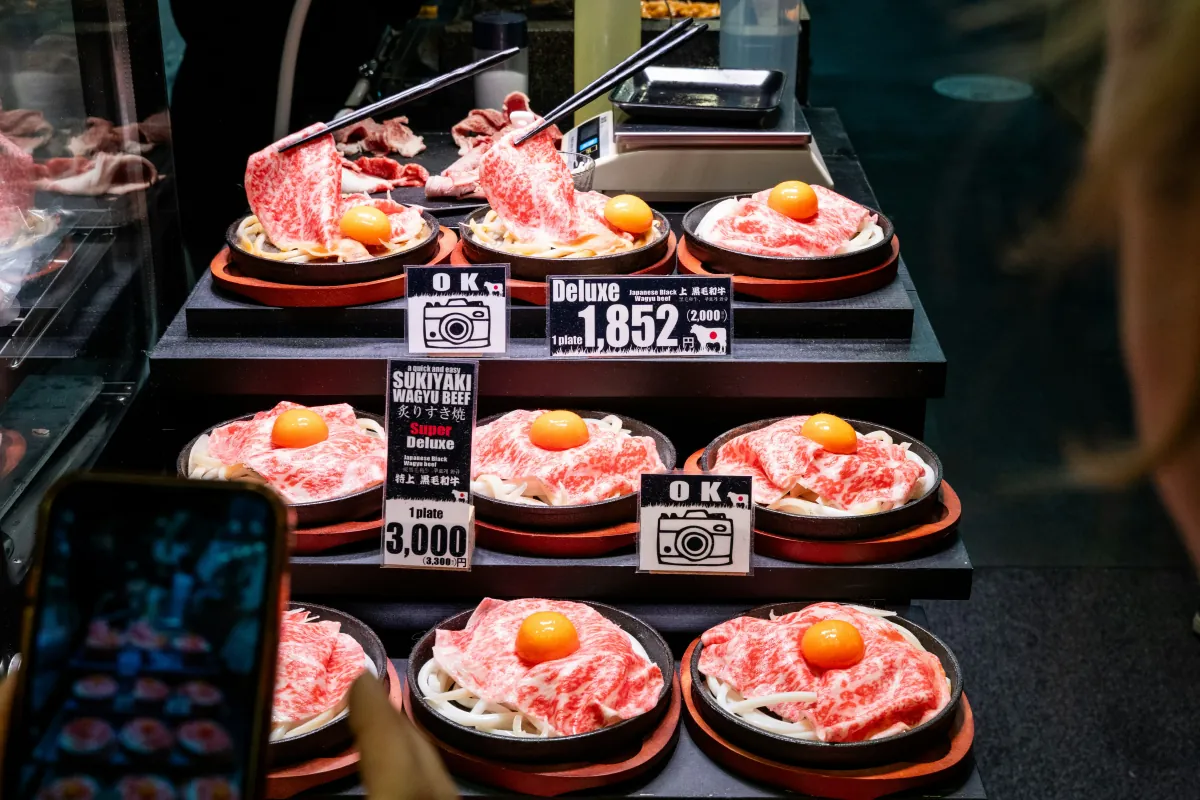
Yakiniku & Wagyu
Premium Kansai marbled beef grilled over tabletop griddles or cooked teppanyaki style.
Must-Try Foods in Osaka
Ten iconic culinary experiences to taste the best food in osaka.
#1 Takoyaki
Batter balls filled with minced octopus, pickled ginger, and green onion, cooked in special molded pans.
Why try it: Osaka is the birthplace of Takoyaki. The local style is molten-creamy inside and crispy outside.
#2 Okonomiyaki
Savory pancake made with cabbage, flour batter, egg, and toppings like pork belly or squid.
Why try it: Kansai-style okonomiyaki mixes the cabbage and batter together, creating an incredibly soft, satisfying texture.
#3 Kushikatsu
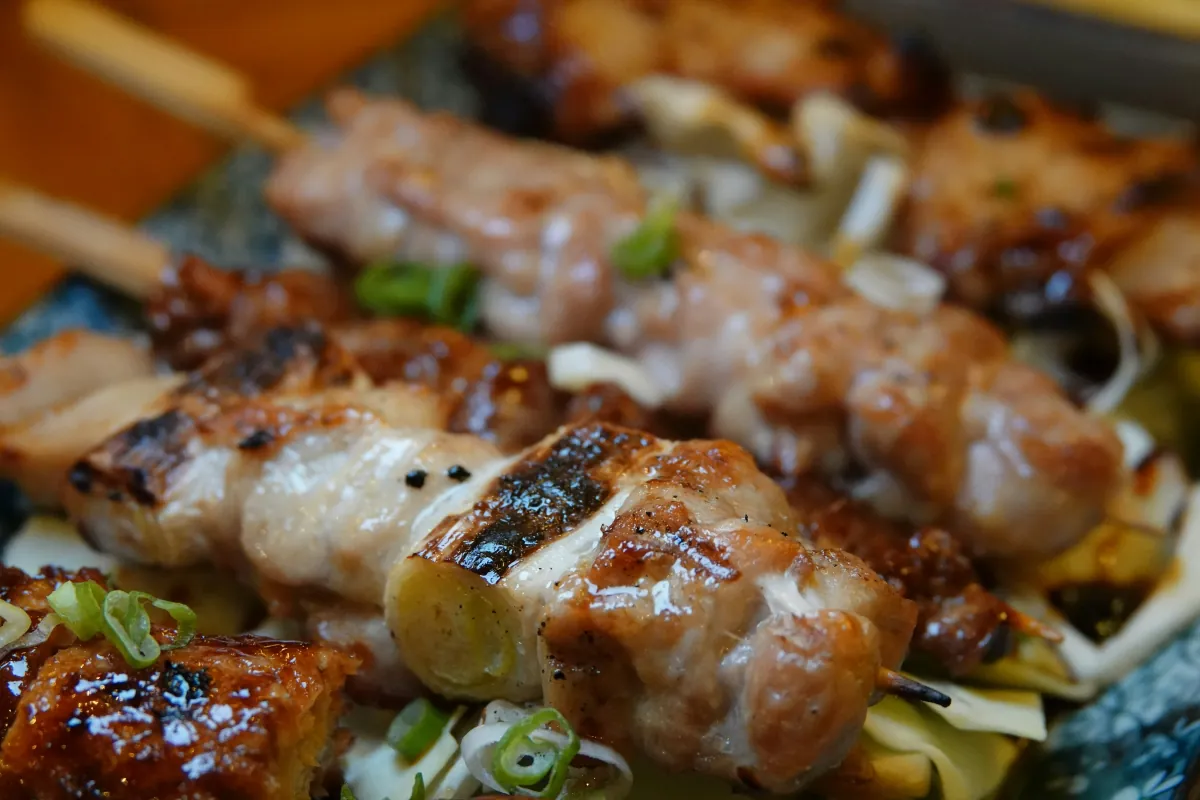
Skewered meats, seafood, and vegetables coated in batter and panko, then deep-fried.
Why try it: Extremely crunchy, light, and paired with Kansai's historic 'no double-dipping' sweet dipping sauce.
#4 Butaman
Giant Chinese-style steamed buns packed with seasoned minced pork and sweet onions.
Why try it: 551 Horai makes these fresh daily and they are the undisputed favorite snack of Osaka locals.
#5 Kitsune Udon
Thick wheat noodles in clear kelp-based dashi broth, topped with sweet fried tofu.
Why try it: Osaka-style dashi uses light soy sauce and premium kelp, creating a sweeter, deeper broth than Tokyo.
#6 Teppanyaki & Wagyu
Intensely marbled local Kansai beef grilled on iron griddles in front of you.
Why try it: Kobe and Matsusaka are nearby, meaning Osaka offers premium wagyu at more competitive prices than Tokyo.
#7 Negiyaki
A thinner okonomiyaki variant packed with green onions (negi) and beef tendon, served with soy sauce.
Why try it: A local, less heavy alternative to okonomiyaki with a crispier, more savory finish.
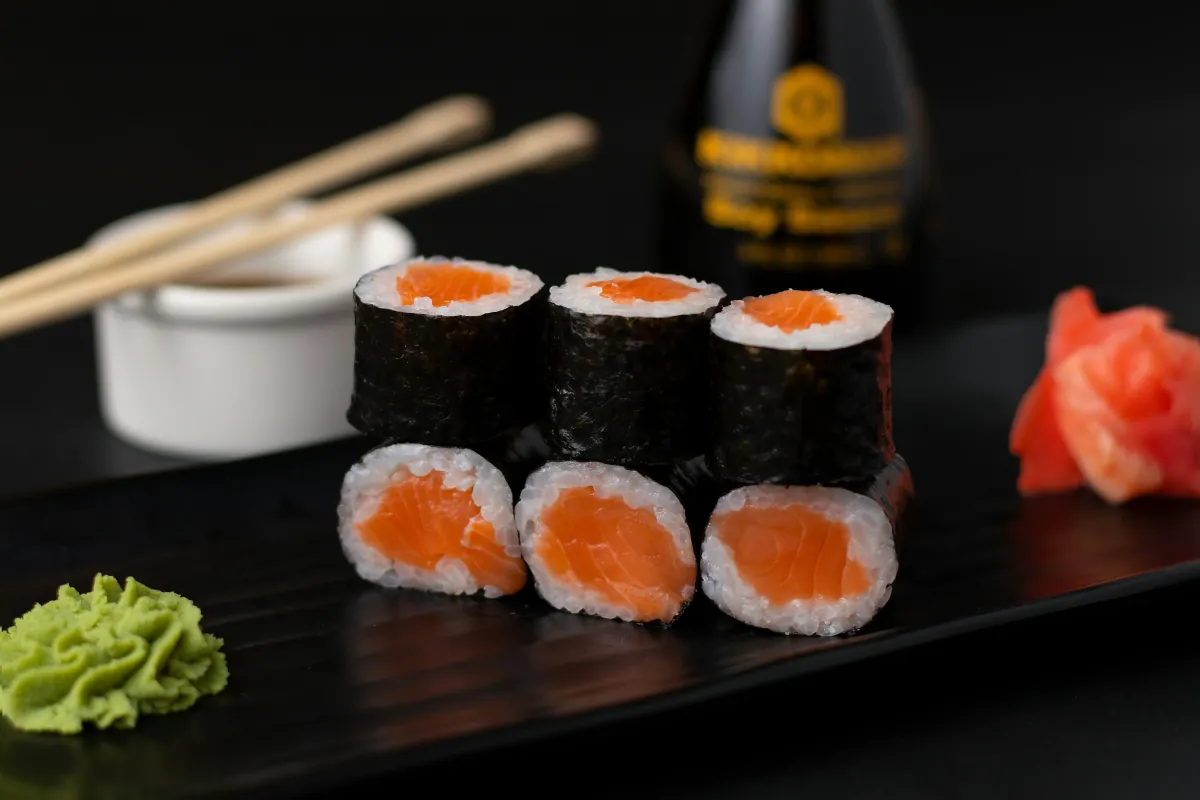
#8 Hako-zushi (Box Sushi)
Sushi rice and cured fish (like mackerel or eel) pressed into a wooden box mold and cut into rectangles.
Why try it: Osaka's traditional sushi style, dating back to the Edo period when fresh seafood was cured to preserve it.
#9 Taiko-man
Round, drum-shaped baked waffles stuffed with sweet red bean paste or custard.
Why try it: A beloved traditional street sweet baked in copper molds right at local markets.
#10 Doteyaki
Beef sinew simmered slowly in a rich, sweet white miso (saikyo miso) and mirin sauce.
Why try it: An extremely tender, sweet-and-savory Osaka pub staple that pairs perfectly with sake.
Osaka Food Experiences
Make your food trip interactive by booking a top-rated osaka food tour, street crawl, or cooking class.
Takoyaki Rolling
Learn to roll octopus balls on traditional copper griddles.
Dotonbori Crawls
Guided neon-lit food crawl through hidden back alleys.
Kuromon Tastings
Explore the historic market tasting fresh sea urchin and scallops.
Kushikatsu Crawl
Drink draft beer and enjoy deep-fried skewers in Shinsekai.
Sake Pairing
Sample regional Kansai sakes paired with local street food.
Okonomiyaki Class
Master the art of mixing, griddling, and saucing cabbage pancakes.
Popular Food Experiences in Osaka
Top-rated food tours, tastings, & culinary experiences in Osaka — book directly with confidence
Osaka Food Map: Key Districts
Explore Osaka's famous street food zones with our interactive map and neighborhood guides.
Dotonbori
Osaka's neon food heart. Arrive at night to sample street snacks under giant moving signs.
Shinsekai
A nostalgic Showa-era neighborhood packed with deep-fried skewer joints and cheap beer.
Kuromon Market
A 150-year-old covered market serving premium crab, oysters, sea urchin, and wagyu skewers.
Tenjinbashi-suji
The longest shopping arcade in Japan, filled with local standing bars and udon shops.
Osaka Food By Neighborhood
A detailed guide to eating your way through Osaka's famous culinary zones.
Food Near Dotonbori
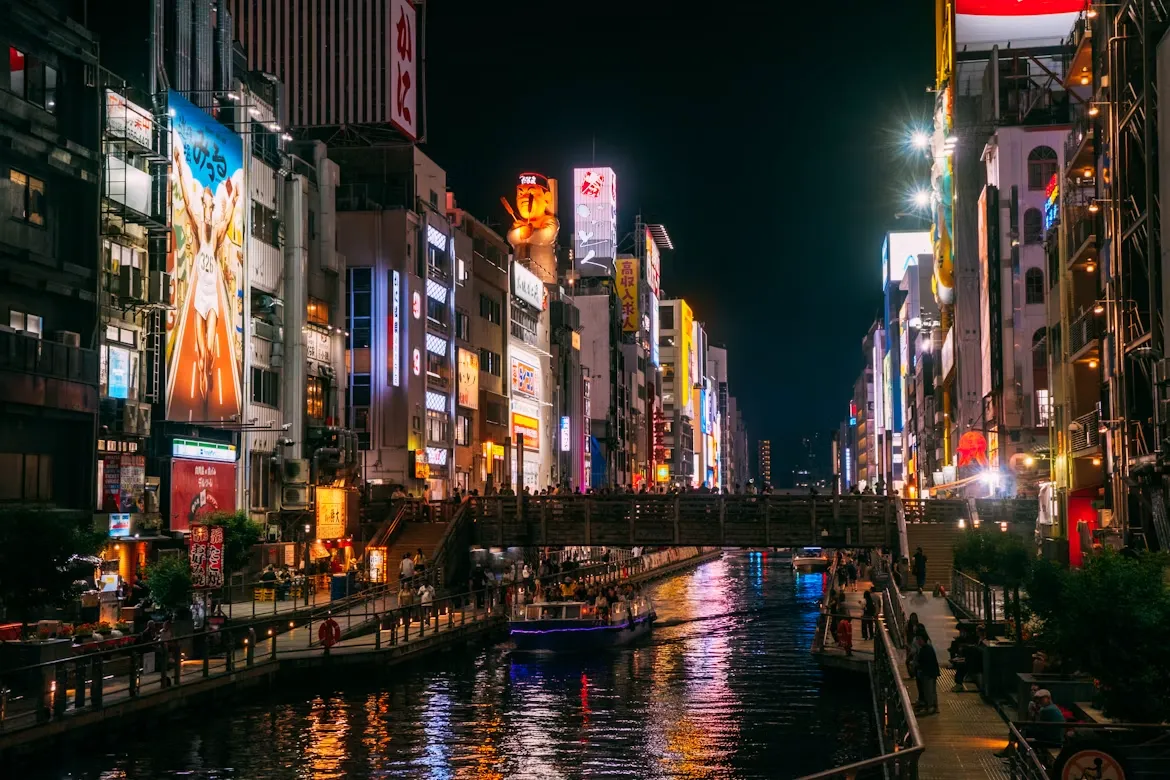
Osaka's Street Food Epicenter- Dotonbori is Osaka's food epicenter.
- Lined with massive neon signs and giant moving food sculptures, the main canal street is packed with street food stalls.
- Walk down the street to grab freshly grilled takoyaki or sit down for interactive okonomiyaki.
- At night, Dotonbori comes alive with neon lights, making it a must-visit for street food walks.
Food Near Namba
Osaka's Nightlife & Dining Hub- Namba is the commercial and entertainment heart of Osaka, directly adjacent to Dotonbori.
- The surrounding lanes are packed with ramen shops, izakayas, yakiniku restaurants, and conveyor-belt sushi.
- America-mura and Hozenji Yokocho alley are particularly good for authentic local dining away from the main canal crowds.
- Budget travelers find Namba's backstreets offer some of the best-value meals in the city.
Food Near Umeda
Osaka's Northern Dining District- Umeda in northern Osaka is the city's main business and shopping district, home to a dense cluster of high-quality restaurants inside its underground shopping malls (Whity Umeda, Diamor Osaka).
- Kita-Shinchi nearby is Osaka's premier fine-dining area with upscale kaiseki and teppanyaki.
- Morning cafe culture in Umeda is also strong, with many spots offering coffee and toast morning sets.
- Tenjinbashi-suji, the longest shopping arcade in Japan, starts here and offers local izakayas and standing sushi bars.
Shinsekai
Birthplace of Kushikatsu- Shinsekai is a neighborhood frozen in the Showa era.
- Dominated by the Tsutenkaku Tower, it is the birthplace of kushikatsu (deep-fried skewers).
- Streets are packed with retro restaurants where you can dip crunchy skewers into rich sauce pots.
- The neighborhood has a raw, nostalgic charm that represents old Osaka.
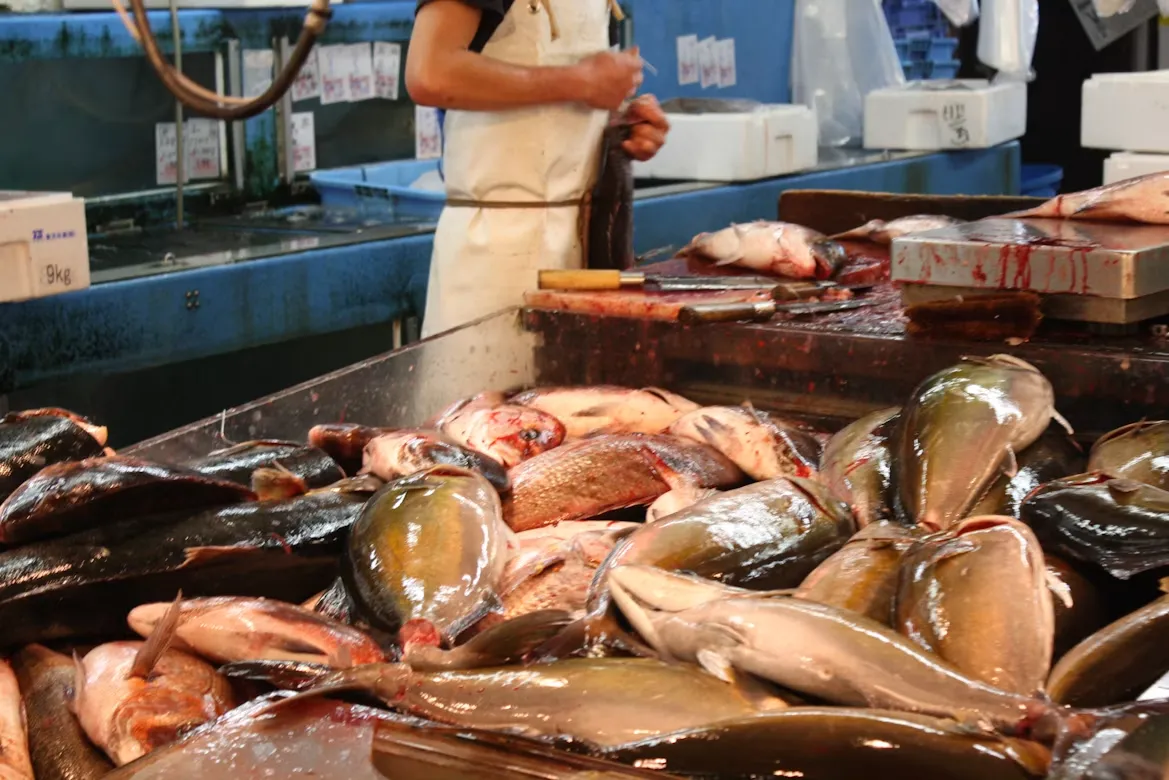
Kuromon Ichiba Market
Osaka's Kitchen — Best Food Market- Known as 'Osaka's Kitchen,' Kuromon is a covered market that has been operating since the mid-19th century.
- Stalls line the narrow lanes serving premium seafood, including giant oysters, sea urchin, and fresh scallops.
- It is a fantastic spot to try street food and high-grade beef skewers cooked right in front of you.
Tenjinbashi-suji
Japan's Longest Covered Shopping Street- Tenjinbashi-suji is the longest shopping arcade in Japan.
- It offers a local, authentic dining experience away from tourist crowds.
- The street is packed with traditional coffee shops, standing sushi bars, and local izakayas serving cheap draft beer and deep-fried specialties.
- It's a favorite neighborhood for local foodies.
Best Restaurants in Osaka
Four iconic dining highlights from our curated list of Osaka's peak culinary institutions.
★ Kani Doraku Dotonbori Honten
The famous flagship restaurant with the giant moving crab on its facade, specializing in crab multi-course sets.
Highlight: Enjoy crab served in every way imaginable—boiled, grilled, as sashimi, tempura, and in hot pots.
★ Matsusakagyu Yakiniku M
Premium, highly rated Japanese barbecue restaurant specializing in Matsusaka beef, one of Japan's top three wagyu styles.
Highlight: Cook various premium cuts of marbled beef on tabletop charcoal grills, served with specialized rock salts.
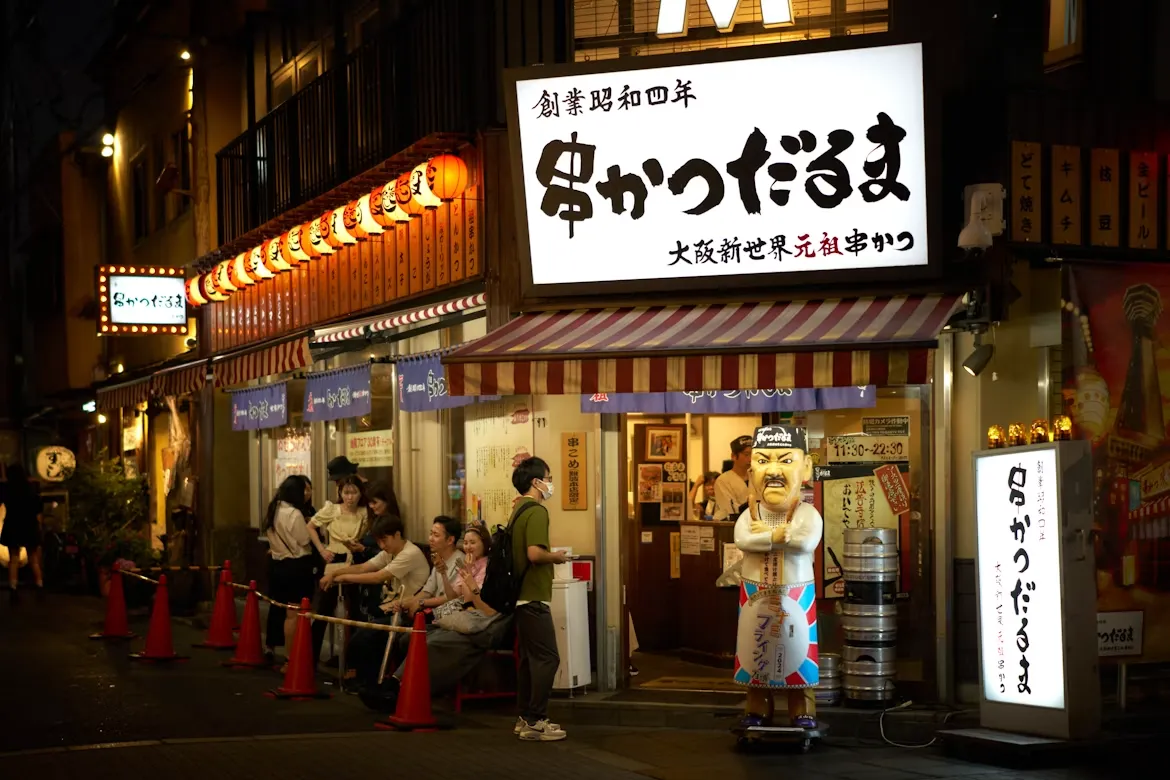
★ Kushikatsu Daruma Shinsekai
Osaka's most famous kushikatsu chain, recognized by its angry chef mascot statue at the entrance.
Highlight: Extremely light, crispy, golden-fried skewers with a secret recipe dipping sauce that defines local history.
★ Chibo Okonomiyaki
One of Osaka's most popular okonomiyaki institutions, serving fluffy pancakes cooked interactively on hot teppan plates.
Highlight: Watch chefs theatrically drizzle mayonnaise and sweet okonomiyaki sauce from high above onto your steaming pancake.
Osaka Yakiniku & Kushikatsu Guide
Two defining savory dining styles that showcase Osaka's love for meat and deep-fried crunch.
Osaka Yakiniku Culture
Yakiniku (Japanese barbecue) in Osaka has deep roots, particularly in neighborhoods like Tsuruhashi (Osaka's Korea Town). Here, narrow alleys are filled with smoke and the aroma of marinating beef.
Osaka diners love high-grade A5 wagyu cuts like karubi (short rib), roshu (loin), and specialized offal cuts (horumon). Paired with cold draft beer and dipping sauces (*tare*), Yakiniku is a staple weekend experience.
The Art of Kushikatsu
Originating in the working-class district of Shinsekai, Kushikatsu is skewered meat, seafood, and vegetables coated in light batter and fine panko, then fried until golden.
Popular skewers include beef loin, lotus root, asparagus wrapped in bacon, quail eggs, and melted cheese. Remember the cardinal rule: Never double-dip into the shared dipping sauce tray after taking a bite!
Osaka Udon & Konamon Guide
Discover Kansai's unique noodle broths and flour-based soul foods.
Osaka-Style Udon
While Tokyo is famous for ramen, Osaka has a deep love for Udon. The defining characteristic is the broth: Kansai dashi uses premium kelp (konbu) and light soy sauce (usukuchi), resulting in a golden-colored, sweeter, and more fragrant broth compared to Tokyo's dark, strong soy-based broths.
Try Kitsune Udon (topped with sweet fried tofu) or Niku Udon (topped with sweet simmered beef).
What is Konamon?
Konamon literally translates to 'flour things' and represents the heart of Osaka's casual soul food. Cabbage pancakes (Okonomiyaki), octopus balls (Takoyaki), and pan-fried green onion pancakes (Negiyaki) all belong to this category.
Osaka okonomiyaki is prepared by mixing the ingredients together with flour batter before griddling, unlike Hiroshima style which layers the ingredients over noodles.
Osaka Street Food Guide
Molten, crispy, and savory bites served hot from local market stalls and canal lanes.
Takoyaki
Creamy, molten octopus dough balls.
Butaman
Giant steamed pork buns from 551 Horai.
Negiyaki
Thin green onion pancake with beef tendon.
Kushikatsu
Deep-fried meat skewers from Shinsekai.
Taiko-man
Round baked waffles with sweet red bean.
Ikayaki
Chewy, savory squid pancake cooked flat.
What to Eat in Osaka by Budget
Discover how to eat incredibly well in Osaka across all budget levels.
Under $10 (Budget Meals)
Osaka is famous for being incredibly budget-friendly compared to Tokyo. You can find hearty comfort meals for less than $10:
- Takoyaki & Okonomiyaki: Street stands in Dotonbori serve fresh plates of takoyaki (6 pieces) for $4–$6, and basic pork okonomiyaki for $7–$9.
- Kitsune Udon: Cozy standing noodle shops near train stations serve excellent kitsune udon with sweet tofu for just $4–$6.
- Pork Buns (Butaman): Get two massive steamed pork buns from 551 Horai for around $4, which make for a filling snack.
$10–$30 (Mid-Range Casual)
This budget unlocks the vast majority of Osaka's sit-down restaurants, perfect for lunches and relaxed dinners:
- Kushikatsu Sets: Enjoy sets of 10–12 crispy deep-fried meat and vegetable skewers with dipping sauce for $12–$22.
- Izakaya Dining: Share multiple plates of doteyaki, sashimi, gyoza, and draft beer at local pubs for $20–$30.
- Conveyor Belt Sushi: Feast on fresh plates of local Kansai sushi and red miso soup at conveyor belt chains for $15–$25.
$30–$80 (Premium Dining)
Ideal for experiencing high-quality wagyu beef or higher-grade fish selections:
- Wagyu Yakiniku: Grill premium marbling wagyu beef cuts on tabletop coal grills for $35–$60 per person.
- Crab Course Lunches: Enjoy multi-course snow crab lunches at Kani Doraku for $40–$60, which are significantly cheaper than dinner sets.
$80+ (Luxury Experiences)
For special occasions and once-in-a-lifetime culinary explorations:
- Matsusaka Beef Course: Indulge in premium course sets of melt-in-your-mouth Matsusaka wagyu beef starting at $80–$150.
- Fugu (Pufferfish) Banquets: Try highly specialized multi-course fugu dining (sashimi, fried, and hotpot) at certified Osaka establishments for $100–$180.
Osaka Food Tips
Crucial dining customs and hacks to navigate Osaka's restaurant landscape.
No Double Dipping
When eating Kushikatsu at traditional shared counter tables, you are forbidden from double dipping your skewered food into the communal sauce tray after taking a bite. This is a strict hygiene rule in Kansai dining.
Stand and Eat (Tachigui)
To eat like a local, seek out standing bars (*tachinomiya*) and standing sushi counters. They offer extremely high-quality food and drink at a fraction of the cost of sit-down establishments.
Dotonbori Queue Hack
The takoyaki stands on the main canal street have massive lines. Walk just one or two blocks south into the Namba alleys to find local stands with zero queues that serve equally delicious (or better) takoyaki.
Cash is Essential
Many street stands, market stalls in Kuromon, and retro kushikatsu bars in Shinsekai do not accept credit cards. Always keep yen cash coins and small bills on hand.
Don't Tip
There is zero tipping in Japan. Attempting to tip can cause confusion or distress, as staff will assume you forgot your change. A polite "Gochisousama deshita" (Thank you for the feast) is the best way to show gratitude.
Respect Queues
If a restaurant has a line, wait in the designated queue line. Never block neighboring doorways. All members of your party must be present to be seated; you cannot save spots in line for latecomers.
Osaka Food Seasonal Calendar
Month-by-month breakdown of seasonal ingredients and traditional dishes to try in Osaka.
| Month | Featured Foods | Description |
|---|---|---|
| January | Kitsune Udon & Osechi | Traditional New Year savory dishes and piping hot sweet-tofu kitsune udon to stay warm. |
| February | Ichigo Daifuku & Fugu | Sweet strawberry-filled mochi snacks and luxurious winter pufferfish (fugu) course sets. |
| March | Sakura Mochi & Clams | Pink cherry blossom-flavored rice cakes and fresh spring asari clams simmered in dashi. |
| April | Takenoko & Spring Cabbage | Tender bamboo shoots boiled with rice and fresh spring cabbage used in sweet okonomiyaki pancakes. |
| May | Kashiwa Mochi & Green Tea | Sweet rice cakes wrapped in oak leaves for Children's Day and fresh first-harvest Kansai green tea cups. |
| June | Ayu & Cold Udon | Salt-grilled sweetfish skewered over coals and refreshing chilled udon noodles on ice. |
| July | Matsuri Street Food | Fresh takoyaki, grilled squid, and yakisoba served at high-energy summer shrine festivals. |
| August | Kakigori & Unagi | Fluffy shaved ice desserts with fruit syrups and grilled stamina eel (unagi) plates. |
| September | Sanma & Matsutake | Whole salt-grilled Pacific saury fish and fragrant autumn matsutake mushrooms simmered with rice. |
| October | Kuri & Sweet Potatoes | Roasted chestnuts in pastries, sweet potato waffles, and autumn-released sake (hiyaoroshi). |
| November | Matsuba Crab & Nabe | Fresh winter snow crab catches and hearty beef sukiyaki hotpots. |
| December | Fugu Hotpot & Oden | Simmered fugu pufferfish hotpot (tecchiri) and warm dashi oden at local standing bars. |
Osaka Food Itineraries
Pre-built daily paths designed specifically around eating your way through Osaka.
1 Day Street Crawl
Kuromon seafood breakfast, Shinsekai kushikatsu lunch, and Dotonbori neon takoyaki crawl.
Kansai Foodie Weekend
Local kitsune udon breakfast, premium yakiniku grills, and interactive okonomiyaki dinners.
Seafood & Sake Path
Fresh Kuromon market sashimi, standing sake bars, and pressed box-style Hako-zushi.
Konamon Lover
Comparing takoyaki stands, fluff okonomiyaki, negiyaki, and ikayaki pancakes.
Premium Wagyu Tour
Matsusaka beef yakiniku, high-end teppanyaki grills, and luxury snow crab courses.
Osaka Breakfast, Lunch & Dinner Guide
A meal-by-meal breakdown of what and where to eat across a full day in Osaka.
Osaka Breakfast
7:00 AM – 10:00 AMBreakfast out is not a deep tradition in Osaka, but cafes and convenience stores do it well. Many local spots in Umeda and Namba offer a "morning service" — a coffee plus toast, egg, or small salad set for under ¥600. The iconic 551 Horai chain opens early for steamed pork buns (butaman). For something indulgent, soufflé pancake shops in Shinsaibashi serve jiggly, thick pancakes with seasonal toppings.
Osaka Lunch
11:30 AM – 2:00 PMLunch is where Osaka's budget soul food shines. Kuromon Ichiba Market is perfect for a grazing lunch — fresh wagyu beef skewers, grilled giant scallops, and tamagoyaki rolls. For noodles, kitsune udon shops near Namba serve rich, sweet-broth bowls from ¥500. Most sit-down restaurants offer a lunch set teishoku (main + rice + miso) significantly cheaper than dinner — the ideal time to try higher-end spots.
Osaka Dinner
6:00 PM – Late NightDinner in Osaka is an event — embrace the kuidaore spirit. Shinsekai is the top destination for kushikatsu, with retro izakayas open until midnight. Dotonbori at night is unbeatable for atmosphere — try a sit-down okonomiyaki restaurant or elevated yakiniku. For something unique, Izakaya Toyo is famous for its theatrical open-fire tuna preparation. Izakayas throughout the city offer social, shared dining from ¥2,000 per person.
Osaka Cheap Eats & Street Food Prices
Osaka is one of the most affordable food cities in Japan. Here's exactly what things cost in 2026.
| Food Item | Where to Find | Price (¥) | Price (USD ~) |
|---|---|---|---|
| Takoyaki (8 pcs) | Dotonbori stalls | ¥450 – ¥800 | $3 – $5 |
| Okonomiyaki | Namba / Shinsekai | ¥700 – ¥1,200 | $5 – $8 |
| Kushikatsu (per skewer) | Shinsekai bars | ¥100 – ¥250 | $0.70 – $1.70 |
| Kitsune Udon bowl | Local udon shops | ¥500 – ¥900 | $3.30 – $6 |
| Ramen bowl | Namba / Umeda | ¥800 – ¥1,500 | $5 – $10 |
| Butaman (551 Horai) | Train station shops | ¥200 – ¥400 | $1.30 – $2.70 |
| Konbini bento | 7-Eleven / Lawson | ¥400 – ¥800 | $2.70 – $5.30 |
| Lunch teishoku set | Local restaurants | ¥800 – ¥1,500 | $5.30 – $10 |
| Yakiniku (per person) | Namba / Tsuruhashi | ¥3,000 – ¥8,000 | $20 – $53 |
| Fresh seafood at Kuromon | Kuromon Ichiba Market | ¥500 – ¥2,000 | $3.30 – $13 |
Carry Cash
Many small street food stalls and family-run izakayas are cash-only. Keep ¥5,000–¥10,000 in small notes.
Lunch Over Dinner
Most restaurants offer a lunch teishoku set significantly cheaper than dinner. Try premium spots at lunchtime.
Back Alleys Win
Spots on side streets behind Dotonbori and Namba have better value and more authentic food than canal-front restaurants.
Tenjinbashi-suji
Japan's longest covered shopping street offers local, un-touristy food stalls with cheaper pricing than Dotonbori.
Osaka Vegan & Vegetarian Food Guide
Osaka's plant-based scene is growing fast. Here's what to know and where to go.
While Osaka is historically a meat and seafood-heavy food city, the vegan and vegetarian scene has grown significantly. The main challenge is dashi — a fish-based stock used invisibly in many broths, sauces, and even okonomiyaki batter. Always confirm dishes explicitly with restaurant staff or look for menus that specify "vegan" or "plant-based."
OKO Takoyaki & Okonomiyaki
NambaA rare vegan takoyaki and okonomiyaki specialist. Uses okara batter and plant-based fillings to recreate Osaka's most iconic street foods without animal products.
Paprika Shokudo
TennojiA highly-rated, fully vegan restaurant serving diverse Japanese comfort food. Popular among local vegans and a great spot for a relaxed, satisfying meal.
Optimus Cafe
Namba / MinamiA popular vegan cafe with riverside views and a welcoming atmosphere. Offers seasonal plant-based menus, smoothies, and Japanese-inspired plates.
Vegan Ramen by Playpen Friends
UmedaOne of the only dedicated vegan ramen spots in Osaka. Rich, umami-forward broth made without any animal products — a must for noodle lovers.
Cosme Kitchen Adaptation
UmedaA clean-eating focused restaurant in Umeda with vegan, vegetarian, and gluten-free options. Known for its organic ingredients and wholesome Japanese-western fusion plates.
Kuromon Ichiba Market
NipponbashiWhile primarily a seafood market, fresh produce stalls, pickled vegetables, and grilled corn or sweet potato vendors offer good vegan-friendly grazing options.
The Dashi Warning
Even dishes that appear vegetarian — like miso soup, udon broth, or takoyaki batter — often contain dashi (fish stock). Always ask: "Dashi wa haitte imasu ka?" (「だしは入っていますか?」— Does this contain dashi?). Use HappyCow or Google Maps to find specifically vetted vegan establishments.
Osaka Halal Food Guide
Finding halal-certified and Muslim-friendly food in Osaka — what to look for and where to go.
Osaka has a growing halal food scene, particularly around Namba, Shinsaibashi, and Nipponbashi. While dedicated halal-certified restaurants are fewer than in Tokyo, the city has a solid range of options for Muslim travelers — from halal ramen and gyoza to Southeast Asian and Middle Eastern restaurants.
Halal Ramen Options
Several ramen shops in Namba and Shinsaibashi offer halal-certified broth on request or as a standard menu item. Confirm with the restaurant before ordering.
Muslim-Friendly Yakiniku
A number of yakiniku (grilled meat) restaurants near Nipponbashi and Tsuruhashi cater to Muslim diners with halal beef cuts and pork-free menus.
Masjid Osaka & Nearby Spots
The area around Masjid Osaka (Imam mosque) in Imazato has a cluster of halal-certified South Asian and Middle Eastern restaurants within walking distance.
Convenience Store Strategy
Lawson and 7-Eleven carry clearly labeled onigiri and packaged foods. Look for ingredients lists — many rice, vegetable, and egg-based products are pork-free by default.
Dotonbori Halal Stalls
A small number of Dotonbori street stalls display halal-certified signage, particularly for takoyaki and kebabs. Look for the green crescent certification label.
HalalNavi & Halal Gourmet Japan
Use the HalalNavi app or Halal Gourmet Japan website to locate verified halal and Muslim-friendly restaurants with user reviews near your current location in Osaka.
Halal Tip: Look for the Certification Label
Japan does not have a single universal halal certification body. Always look for a certification mark from recognized authorities (MUI, MUIS, or Japan Halal Association). When in doubt, ask: "Kore wa halal desu ka?" (「これはハラルですか?」— Is this halal?). Many restaurants now carry bilingual halal menus for international visitors.
Osaka Food Hub
Explore our guides dedicated to individual Osaka specialties: