
Kyoto Food Guide
Welcome to the cultural and spiritual culinary capital of Japan. Discover what to eat in this comprehensive kyoto food guide, from elegant Kaiseki banquets and Buddhist vegetarian temple feasts to fresh market skewers at Nishiki Market and matcha teahouses.
Kyoto Culinary Scale
Kyoto is the cultural heart of Japan and its historic imperial capital for over a millennium (794–1869). While Tokyo represents modern commercial density, Kyoto remains the sanctuary of traditional Japanese haute cuisine, Zen temple diets, and delicate flavor profiles.
Kyoto's culinary character is shaped by its geographical location. Nestled in a valley surrounded by three mountain ranges, the city developed a reliance on preserved marine fish (leading to Saba-zushi), premium seasonal farm vegetables (known as *kyo-yasai*), and pristine, mineral-soft subterranean well waters.
The culinary landscape of Japan's ancient capital is defined by an absolute dedication to seasonal freshness, kitchen specialization, and deep respect for food preparation as a Zen art form.
Why Kyoto is a Culinary Capital
Exploring the history, geography, and Zen roots of Kyoto's unique cuisine.
Kyoto is the cultural heart of Japan and its historic imperial capital for over a millennium (794–1869). While Tokyo represents modern commercial density, Kyoto remains the sanctuary of traditional Japanese haute cuisine and Zen temple diets.
Kyoto's culinary character is shaped by its geographical location. Nestled in a valley surrounded by three mountain ranges, the city developed a reliance on preserved marine fish (leading to Saba-zushi), premium seasonal farm vegetables (*kyo-yasai*), and pristine, mineral-soft subterranean well waters. These factors combined to create clean, delicate flavor profiles that honor natural ingredients without heavy spices or fats.
What Food is Kyoto Known For?
Classic culinary staples that define the historic teahouses and temples of Japan's ancient capital.
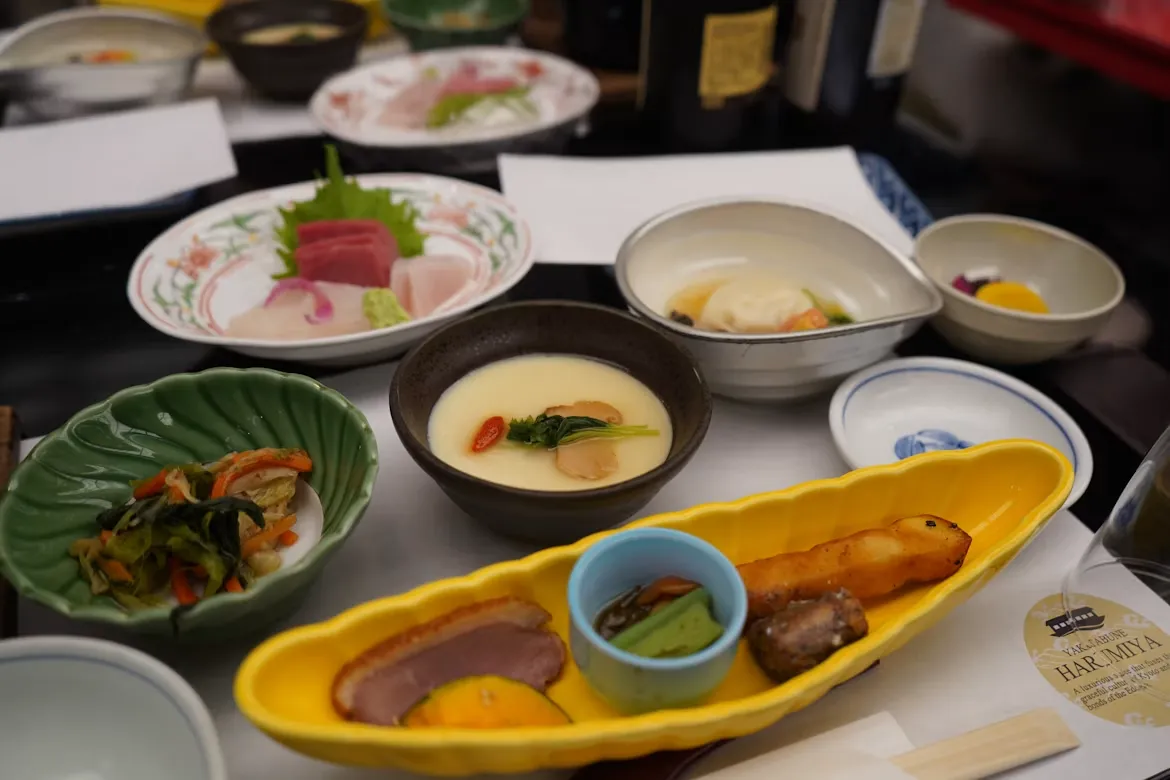
Kaiseki Ryori
Japan's multi-course haute cuisine. Each course is an artistic, seasonal showcase.
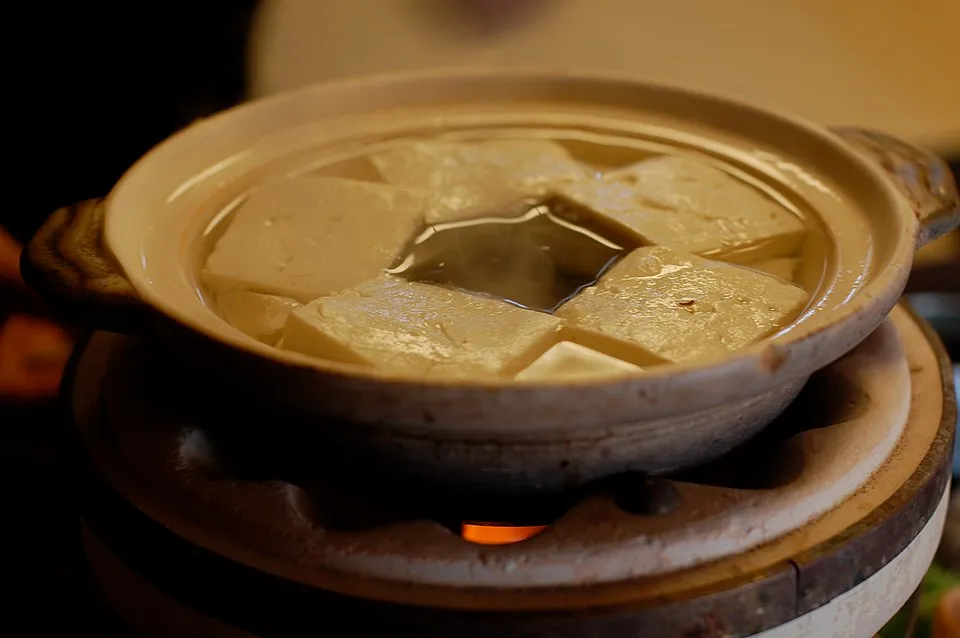
Yudofu
Minimalist temple-style simmered soft tofu cooked in hot clay pots.
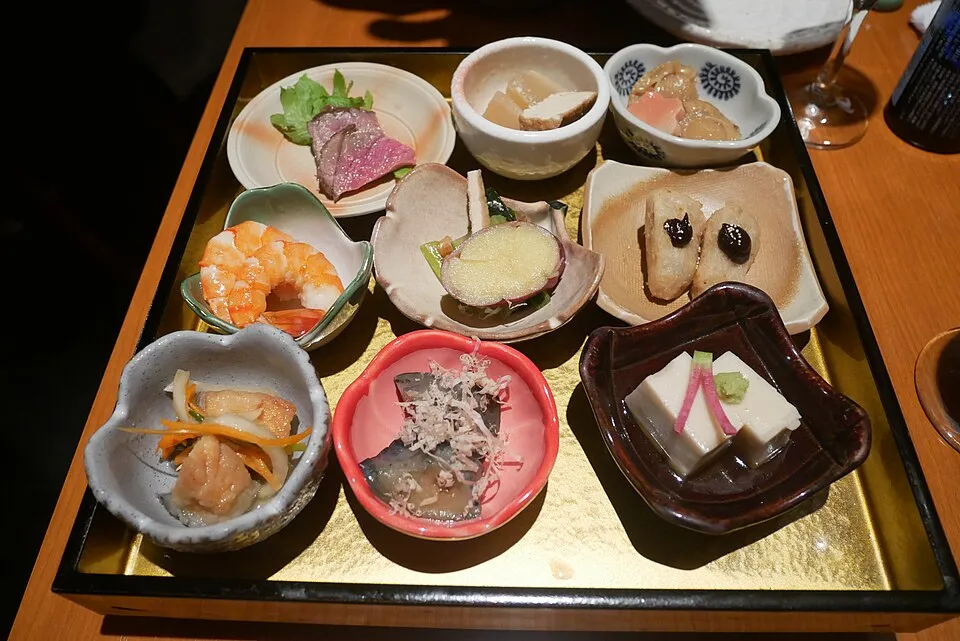
Obanzai
Traditional home-style small plates made with seasonal heirloom vegetables.
Yuba
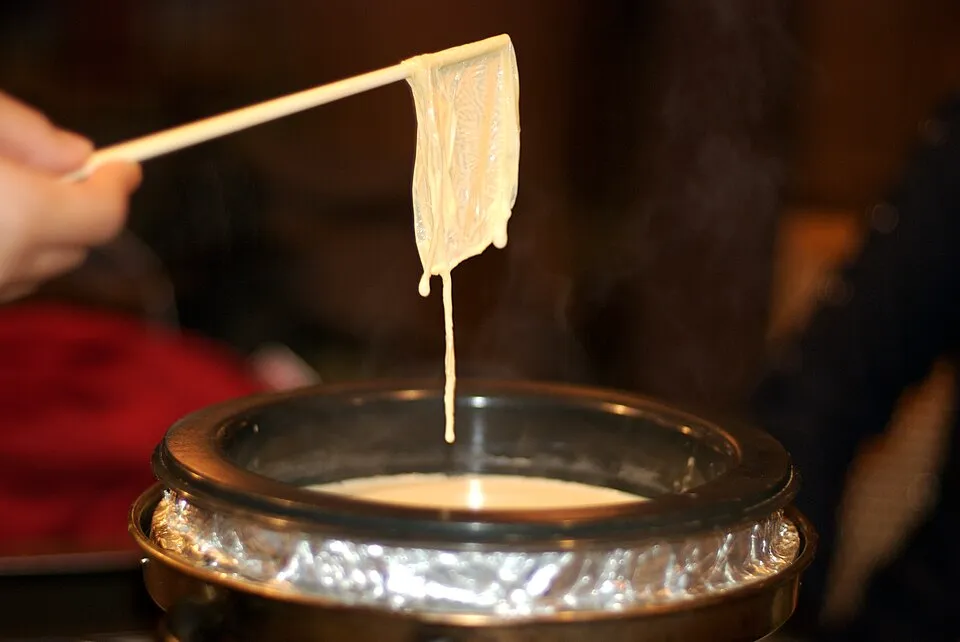
Creamy, delicate tofu skin served fresh or dried into layers.
Saba-zushi
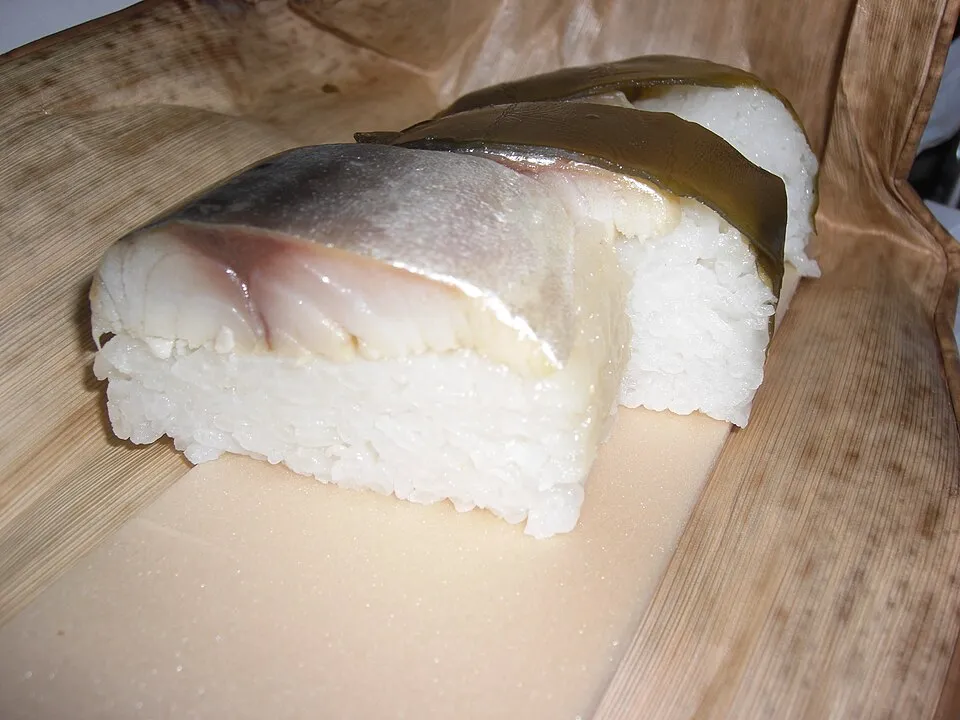
Historic pressed mackerel sushi wrapped in thick seaweed or kelp.
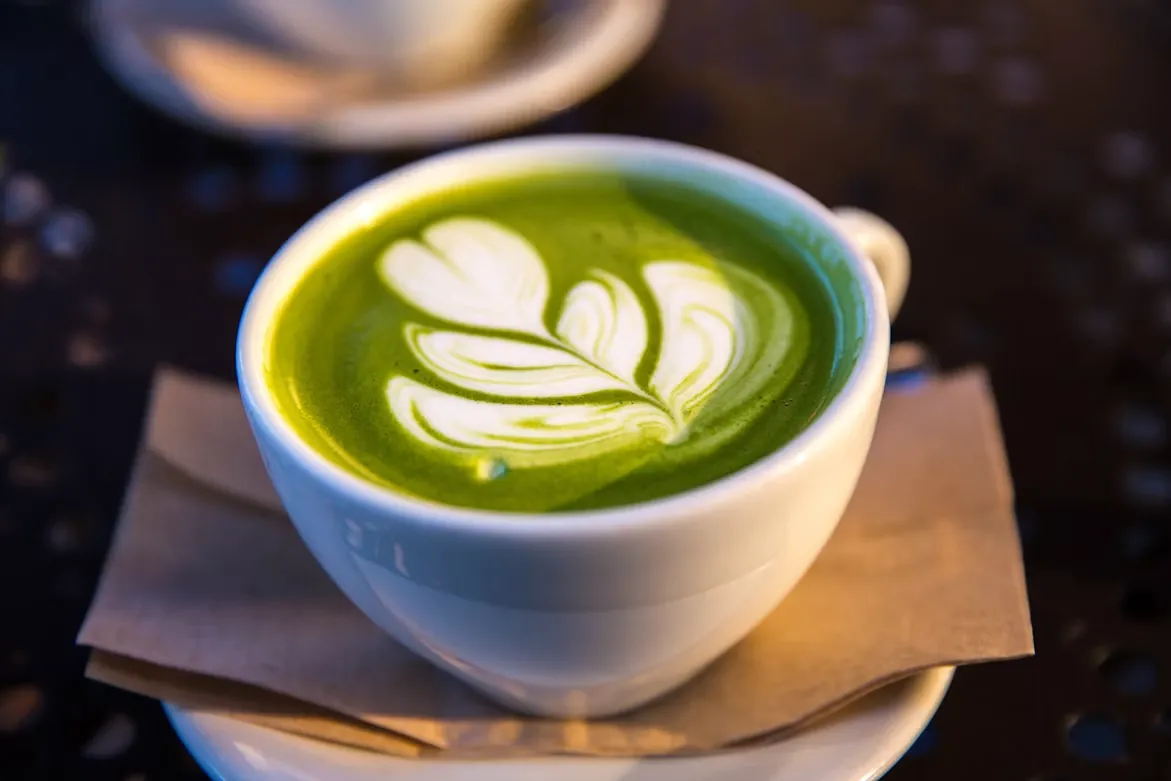
Uji Matcha
Fine shade-grown green tea whisked traditionally or infused into modern sweets.
Must-Try Foods in Kyoto
Ten iconic delicacies you must taste in Kyoto.
#1 Kaiseki Ryori
A meticulous multi-course dinner representing the peak of Japanese culinary arts.
Why try it: Highlights peak freshness of local seasonal ingredients, served on handmade ceramic wares.
#2 Yudofu
Soft tofu cubes simmered gently in a hot pot with kelp (kombu) dashi.
Why try it: Kyoto's pure mountain well waters produce incredibly clean-tasting, creamy tofu.
#3 Obanzai Ryori
Traditional home-style small plates focusing on regional vegetables and seafood.
Why try it: A comforting, down-to-earth dining style utilizing local heirloom crops (*kyo-yasai*).
#4 Yuba
Delicate tofu skin scooped fresh from boiling soy milk, served with soy sauce or dried into layers.
Why try it: Smooth, nutty, and creamy. A crucial staple of Buddhist vegetarian cuisine.
#5 Saba-zushi
Salt-cured mackerel pressed over vinegared sushi rice and wrapped in thick kelp.
Why try it: A historic method of preserving fish carried inland along the Wakasa 'Mackerel Road'.
#6 Uji Matcha Sweets
High-grade matcha whisked traditionally or infused into cakes, soft serve, and parfaits.
Why try it: Uji (just south of Kyoto) produces the finest shade-grown green tea leaves in Japan.
#7 Shojin Ryori
Buddhist vegetarian cuisine avoiding meat, fish, garlic, and onions.
Why try it: Zen temples serve these artistic, plant-based sets focusing on seasonal harmony.
#8 Hamo (Conger Eel)
Conger eel with its tiny bones finely sliced, parboiled and served chilled with plum paste.
Why try it: Kyoto's premier summer delicacy, celebrated for its light, refreshing texture.
#9 Saikyo Yaki
Fish (traditionally black cod or Spanish mackerel) marinated in sweet white miso and grilled.
Why try it: Saikyo miso is a sweet Kyoto specialty that caramelizes into a sweet-and-savory crust when grilled.
#10 Yatsuhashi
Triangular unbaked cinnamon rice flour sheets folded around sweet red bean paste.
Why try it: Kyoto's most famous traditional souvenir sweet (wagashi) dating back to the Edo period.
Kyoto Food Experiences
Make your food trip interactive by booking a top-rated kyoto food tour, tea ceremony, or cooking class.
Tea Ceremonies
Whisk stone-ground matcha inside historic tatami teahouses.
Nishiki crawls
Explore the historic market's best skewers with a local guide.
Kaiseki Dinners
Multi-course banquets overlooking the Kamogawa River.
Shojin Cooking
Learn to prepare temple-style Buddhist vegetarian plates.
Sake Brewing
Taste and learn about sake inside historic Fushimi breweries.
Obanzai Classes
Master home-style Kyoto side dishes using seasonal vegetables.
Popular Food Experiences in Kyoto
Top-rated food tours, tastings, & culinary experiences in Kyoto — book directly with confidence
Kyoto Food By Neighborhood
A detailed district guide to eating your way through Kyoto's historic quarters.
Gion
- The historic Geisha district.
- Lined with dark wooden machiya townhouses, Gion is home to exclusive Michelin-starred Kaiseki dens, long-established Saba-zushi shops (like Izuju), and highly popular Gion restaurants.
- In the evenings, you can dine on beautiful multi-course meals while looking out onto historic streets.
Pontocho Alley
- A narrow cobblestone pedestrian lane running parallel to the Kamogawa River.
- In summer, restaurants build elevated wooden platforms (kamogawa yuka) over the water for atmospheric riverfront dining.
- It is the premier spot for sukiyaki, yakitori, and local bars.
Arashiyama
- Located near the famous Bamboo Grove.
- Arashiyama is celebrated for Yudofu (simmered tofu) restaurants situated inside Zen temple grounds, and street vendors serving matcha ice cream, sweet sweet potato cakes, and yuba skewers.
Higashiyama
- The historic temple area surrounding Kiyomizu-dera.
- The stone streets are lined with traditional teahouses and sweet shops selling triangular yatsuhashi, matcha soft serve, and skewered dango.
- It is the perfect district for traditional tea breaks.
Best Restaurants in Kyoto
Four iconic dining highlights from our curated list of Kyoto's peak culinary institutions.
★ Kikunoi Honten
An elite, three-Michelin-starred establishment in Higashiyama, offering the pinnacle of traditional Kyo-kaiseki dining.
Highlight: Stunning private rooms overlooking curated moss gardens, with seasonal courses that tell story of Kyoto history.
★ Shigetsu (Tenryu-ji Temple)
A highly respected Zen temple restaurant serving authentic Shojin Ryori (Buddhist vegetarian cuisine) inside Tenryu-ji Temple.
Highlight: Enjoy fully plant-based, beautifully balanced bowls while looking out at UNESCO World Heritage temple gardens.
★ Nanzenji Junsei
A historic tofu institution near Nanzen-ji Temple, celebrated for its traditional Yudofu (simmered tofu) sets.
Highlight: Dine inside an expansive 180-year-old garden complex featuring stone bridges, waterfalls, and private tea houses.
★ Ippodo Tea Co. Kyoto Main Store
Kyoto's most famous historic tea merchant (founded in 1717), offering tea tastings and masterclasses.
Highlight: Learn to whisk your own premium matcha or brew rich gyokuro green tea under guidance of local experts.
Kyoto Kaiseki & Temple Dining Guide
Detailed guide to experiencing multi-course banquets and Zen Buddhist vegetarian meals.
Kyo-Kaiseki (Imperial Banquet)
Originating from the traditional tea ceremony, Kyoto-style Kaiseki (*Kyo-kaiseki*) is the peak of Japanese fine dining. The meal is served as a sequence of small, artistic plates that showcase the chef's skills and the season.
Every detail is considered, from the choice of seasonal ingredients and cooking styles to the custom serving dishes that match the month's theme. Diners typically sit in private tatami rooms overlooking moss gardens.
Shojin Ryori & Tofu Dining
Brought to Japan by Zen Buddhist monks, *Shojin Ryori* is a fully plant-based dining style. It emphasizes local vegetables, soy, and seaweed, and strictly avoids meat, fish, garlic, onions, or other strong spices.
Similarly, **Yudofu** (fresh tofu simmered in kelp broth) is a key specialty of temple areas. The pure soft subterranean waters of Kyoto make local tofu incredibly smooth, sweet, and creamy.
Kyoto Tea & Matcha Culture Guide
Master the history of tea ceremony and matcha sweets in Kyoto.
The Birthplace of Uji Tea
Uji, located just south of Kyoto along the Uji River, is the historical cradle of Japanese green tea. The region's morning mists, rolling hills, and mineral-rich soils are perfect for growing shade-covered tea bushes (*tencha*) that are ground into premium matcha.
Traditional tea ceremonies (*chado* or 'the way of tea') were refined in Kyoto by masters like Sen no Rikyu.
Matcha Sweets (Wagashi)
Beyond traditional tea ceremonies, Kyoto is famous for modern matcha-infused treats. Explore teahouses in Gion and Higashiyama serving high-grade matcha soft serve, parfaits topped with shiratama dango, and matcha crêpes.
Try pairing your tea with traditional **Yatsuhashi** cinnamon wraps or beautifully sculpted seasonal sugar cakes (*wagashi*).
Nishiki Market Street Food Guide
Sweet and savory skewers served hot from Kyoto's historic covered shopping arcade.
Tako Tamago
Baby octopus stuffed with a quail egg.
Dashi Tamago
Juicy, dashi-rolled hot Japanese omelet.
Soy Donuts
Light, airy mini donuts made of soy milk.
Yuba Skewers
Skewered, fresh tofu skin served hot.
Saba-zushi
Pressed mackerel sushi pieces.
Matcha Soft Serve
Shade-grown organic Uji matcha ice cream.
⚠️ Important Etiquette Rule: Walking and eating (*aruki-kui*) is strictly forbidden in Kyoto. Please consume your street food directly in front of the vendor stall where it was purchased.
What to Eat in Kyoto by Budget
Discover how to eat incredibly well in Kyoto across all budget levels.
Under $10 (Budget Meals)
Enjoy historic Kyoto snacks and quick meals without breaking the bank:
- Nishiki Market Skewers: Try tako tamago (octopus with quail egg) or dashi tamago skewers at Nishiki Market for $3–$5.
- Matcha Sweets & Yatsuhashi: Grab a matcha soft serve cone or a box of traditional cinnamon yatsuhashi for $4–$6.
- Noodle Stands: Fast standing udon stalls near Kyoto Station serve hot dashi bowls for under $5.
$10–$30 (Mid-Range Casual)
Perfect for traditional sit-down lunches and casual dinners:
- Obanzai Platters: Enjoy comforting home-style Kyoto side dish sets at local diners for $15–$25.
- Yudofu Sets: Sit-down tofu hot pot meals in Arashiyama or Nanzenji temple areas cost $18–$30.
- Saba-zushi Plates: Cured mackerel sushi plates at historic Gion counters cost $12–$25.
$30–$80 (Premium Dining)
Ideal for experiencing high-quality wagyu beef or higher-grade fish selections:
- Shojin Ryori (Buddhist Vegetarian): Artistic multi-course vegetarian sets served inside Zen temple halls cost $35–$65.
- Kaiseki Lunches: Skip expensive dinners by booking mid-tier Kyo-kaiseki lunch courses for $40–$75.
$80+ (Luxury Experiences)
For special occasions and once-in-a-lifetime culinary explorations:
- Three-Star Kaiseki: Experience world-renowned Michelin-starred dining counters like Kikunoi Honten, starting at $150–$300+.
- Summer Kamogawa Yuka: Dine on wooden platforms suspended over the river in Pontocho during summer, featuring premium beef sukiyaki or eel sets starting at $90–$180.
Kyoto Food Tips
Crucial dining customs and hacks to navigate Kyoto's restaurant landscape.
No Eating While Walking
Walking and eating (*aruki-kui*) is considered extremely impolite in Kyoto. Always stand or sit near the shop or market stall where you bought your food to eat it.
Kaiseki Lunches
To experience Kyo-kaiseki or Shojin Ryori on a budget, book your tables during lunch hours. Most premium Ryotei (traditional restaurants) offer lunch menus at half the price of dinner.
Reservations are Mandatory
Most historic Kaiseki and Shojin Ryori restaurants in Gion and Arashiyama require booking weeks or months in advance. Utilize online platforms like TableCheck or call through your hotel concierge.
Carry Cash
While modern stores accept credit cards, many historic teahouses, temple dining rooms, and Nishiki Market stalls only accept Japanese Yen cash. Keep coins and bills handy.
Don't Tip
There is zero tipping in Japan. Attempting to tip can cause confusion or distress, as staff will assume you forgot your change. A polite "Gochisousama deshita" (Thank you for the feast) is the best way to show gratitude.
Respect Queues
If a restaurant has a line, wait in the designated queue line. Never block neighboring doorways. All members of your party must be present to be seated; you cannot save spots in line for latecomers.
Kyoto Seasonal Food Calendar
Month-by-month guide to seasonal ingredients and local festivals in Kyoto.
| Month | Featured Foods | Description |
|---|---|---|
| January | Saikyo Miso Ozoni | Sweet white miso soup containing round mochi, eaten for traditional New Year celebration. |
| February | Kabu & Yudofu | Steaming hot yudofu tofu sets and seasonal pickled Kyoto turnip (Senmai-zuke). |
| March | Sakura Mochi | Sweet pink rice cakes wrapped in salted cherry blossom leaves, eaten near temples. |
| April | Takenoko (Bamboo) | Freshly harvested spring bamboo shoots boiled with rice or simmered into dashi. |
| May | Uji Shincha & Yuba | Celebratory fresh first-harvest green tea cups and delicate yuba tofu skins. |
| June | Ayu (Sweetfish) | Salt-grilled sweetfish cooked on skewers over coals during summer purification festivals. |
| July | Hamo (Conger Eel) | Kyoto's summer delicacy. Parboiled hamo eel served with refreshing sour plum paste. |
| August | Uji Matcha Shaved Ice | High-grade matcha syrup drizzled over soft shaved ice with sweet red beans. |
| September | Matsutake mushrooms | Prized, aromatic autumn pine mushrooms simmered with dashi rice. |
| October | Kyo-yasai heirloom crops | Harvest of sweet Kamo eggplants and massive Shogoin turnip crops. |
| November | Matsuba Crab & Kuri | Rich winter crab catches and roasted sweet chestnuts under maple leaves. |
| December | Sukiyaki & Hot Sake | Indulgent beef sukiyaki hotpots and warm locally brewed sake in Fushimi. |
Kyoto Food Itineraries
Pre-built daily paths designed specifically around eating your way through Kyoto.
Zen & Temple Diet Day
Nanzenji yudofu lunch, Shojin Ryori temple dinner, and Uji matcha tea ceremonies.
Nishiki & Gion Crawl
Fresh market street food skewers, afternoon matcha parfaits, and Gion obanzai dinners.
Imperial Kaiseki Path
Morning matcha tasting, afternoon sweets, and a premium Kikunoi Honten dinner course.
Matcha Sweet Lover
Exploring Uji green tea fields, matcha soft serve, and traditional wagashi-making classes.
Summer River Dining
Kyoto cold noodles, afternoon shaved ice, and Pontocho Kamogawa yuka dining.
Kyoto Food Hub
Explore our guides dedicated to individual Kyoto specialties: