
Tokyo Food Guide
Discover what to eat in Tokyo, from world-famous sushi and ramen to hidden local specialties, traditional sweets, street snacks, and unforgettable dining experiences.
Tokyo Culinary Scale
Tokyo is one of the greatest food cities in the world. Home to more Michelin-starred restaurants than any other city and countless neighborhood eateries, Japan's capital offers everything from centuries-old Edo cuisine to cutting-edge modern dining. Whether you're searching for the best sushi in Tsukiji, late-night ramen in Shinjuku, premium wagyu in Ginza, or traditional sweets in Asakusa, this Tokyo food guide covers the dishes, neighborhoods, budgets, and dining customs every visitor should know.
The culinary landscape of Japan's capital is defined by an absolute dedication to seasonal freshness, kitchen specialization, and deep respect for food preparation as a high-art form. In Tokyo, chefs frequently spend their entire careers mastering a single culinary niche—whether it is perfecting the vinegar balance in sushi rice, cooking yakitori skewers over volcanic binchotan charcoal, or simmering Tonkotsu broth for over twenty hours. This focus ensures that dining is consistently exceptional, from casual train station noodle stalls to high-end multi-course feasts.
Why Tokyo Is One of the World's Best Food Cities
Exploring the history, geography, and sheer density of Tokyo food culture.
Tokyo's food culture (known locally as Tokyo cuisine or Tokyo dining) is globally unrivaled. This extraordinary culinary landscape is built on four core pillars:
- •
Michelin Density: Tokyo boasts over 200 Michelin-starred venues, outclassing cities like Paris and New York. This includes everything from high-end dining to humble ramen shops and standing sushi bars.
- •
Edo Culinary History: During the Edo period (1603–1867), quick, portable meals sold from street stalls (yatai) for workers evolved into Japan's most refined culinary arts, including Nigiri Sushi, Tempura, Soba, and Unagi.
- •
Seafood Market Access: Moving from Tsukiji to Toyosu, Tokyo's state-of-the-art seafood markets process tons of fresh catch daily. This allows even neighborhood sushi shops to source pristine fish every morning.
- •
Prefectural Migration & Density: Chefs from all 47 prefectures bring regional specialties (like Hokkaido ramen or Hiroshima okonomiyaki) to the capital. Fierce competition among over 150,000 eateries keeps quality high and prices affordable.
What Food Is Tokyo Known For?
Classic culinary staples that define the streets and history of Japan's capital.
Sushi
The world's sushi capital, birthplace of modern Nigiri style.
Ramen
Hundreds of renowned shops showcasing diverse hyper-regional styles.
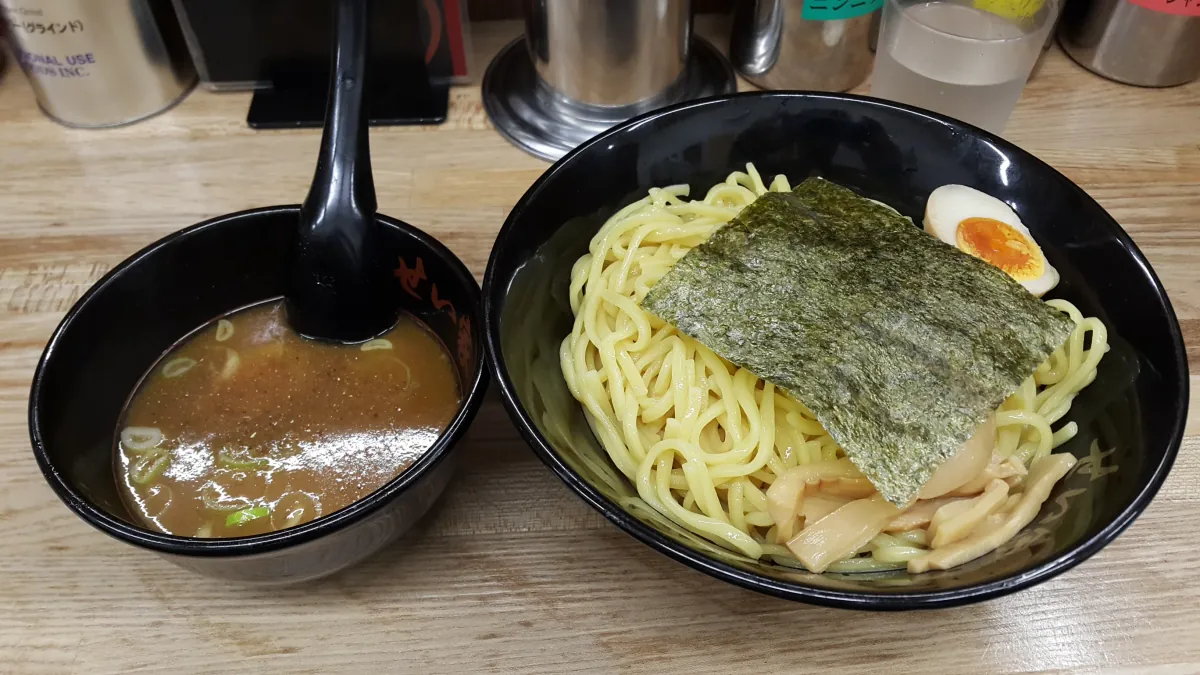
Tsukemen
Tokyo-style thick dipping noodles served with concentrated dipping broth.
Monjayaki
Tokyo's unique local specialty of savory, thin, pan-fried batter.
Tempura
Traditional Edo-period style of light, perfectly battered and fried delicacies.
Yakitori
Atmospheric grilled chicken skewers fueling local izakaya drinking culture.
Must-Try Foods In Tokyo
Ten iconic culinary experiences you cannot leave Tokyo without trying.
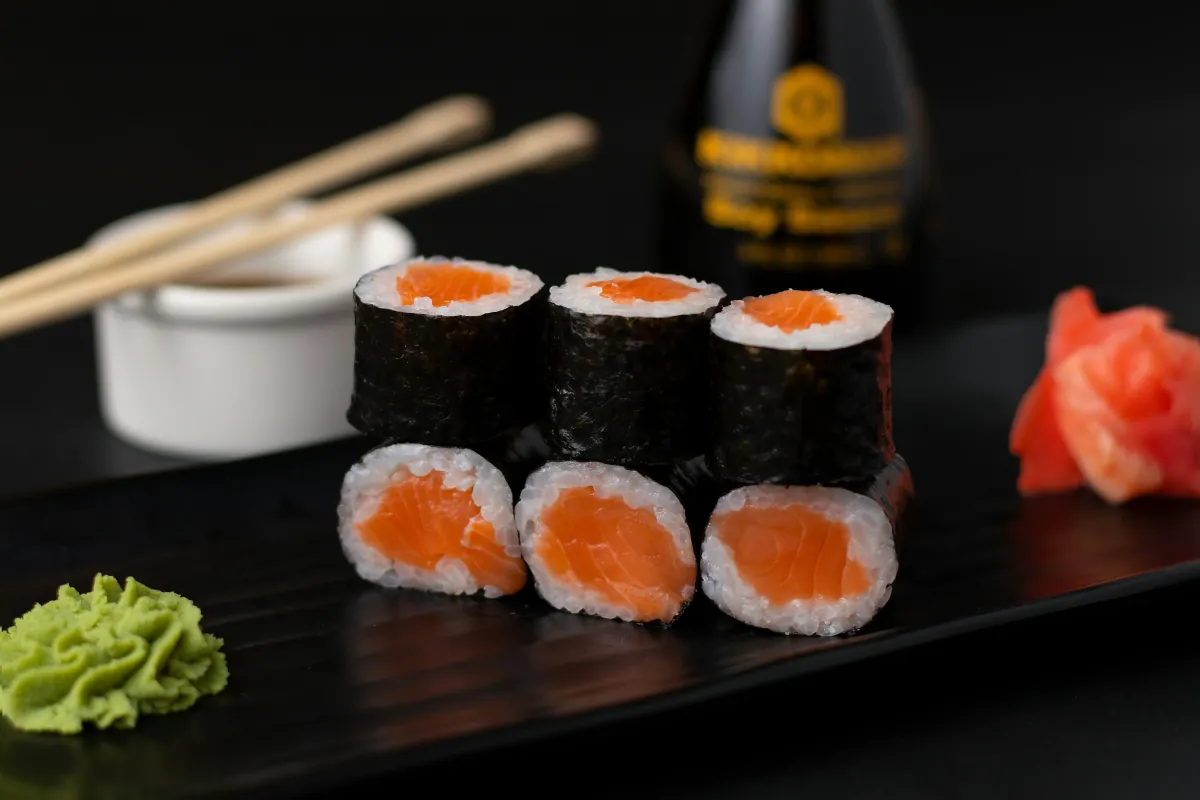
#1 Sushi
Thin slices of premium seafood pressed over vinegared rice.
Why try it: Edo-mae style sushi is a high art form of precision temperature control.
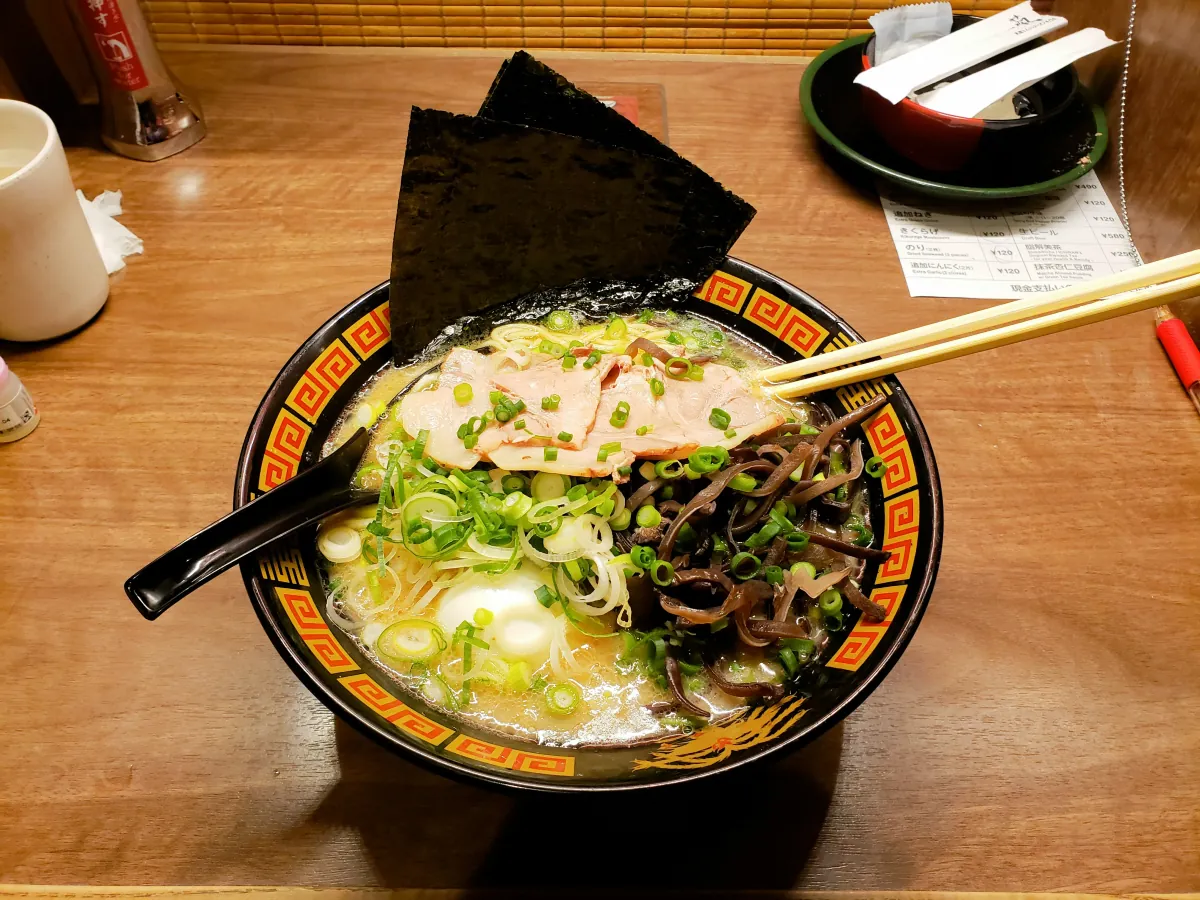
#2 Ramen
Steaming noodles in deep, seasoned broths topped with pork belly.
Why try it: Tokyo's ramen dens represent the pinnacle of flavor curation.
#3 Tsukemen
Chilled wheat noodles served with a hot, condensed dipping broth.
Why try it: Allows you to control the exact concentration of broth with each bite.
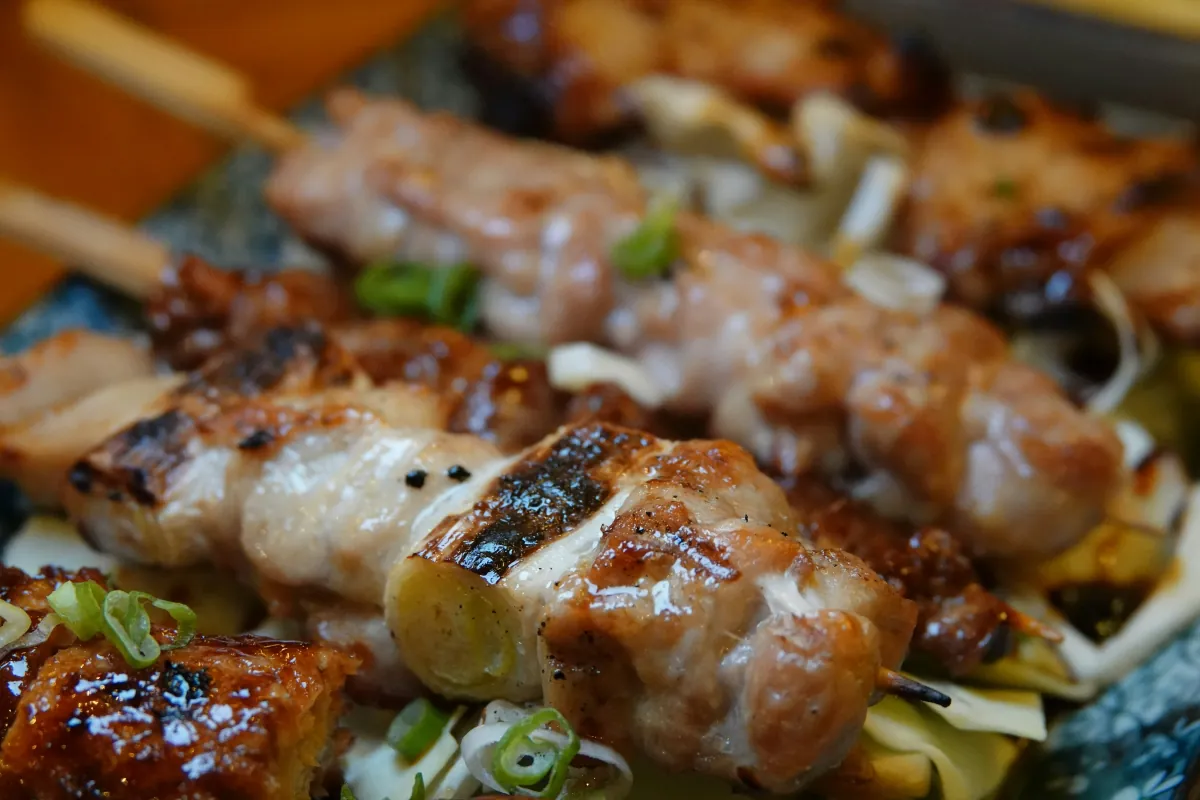
#4 Yakitori
Chicken parts threaded on bamboo skewers and charcoal-grilled.
Why try it: Incredibly smoky, savory, and represents the best of local pub culture.
#5 Tempura
Seafood and vegetables lightly coated in airy batter and flash-fried.
Why try it: Tastes clean, light, and completely unlike western heavy frying.
#6 Monjayaki
Savory, runny batter containing cabbage, seafood, and toppings cooked on a tabletop griddle.
Why try it: A Tokyo-exclusive food cooked interactively on a flat iron teppan.
#7 Tonkatsu
Thick pork cutlet coated in crunchy panko flakes and deep-fried.
Why try it: Remarkably juicy, tender pork with an incredibly crunchy outer shell.
#8 Curry Rice
Japanese comfort food: thick, mildly sweet curry sauce over hot rice.
Why try it: Rich, aromatic, and deeply comforting on colder days.
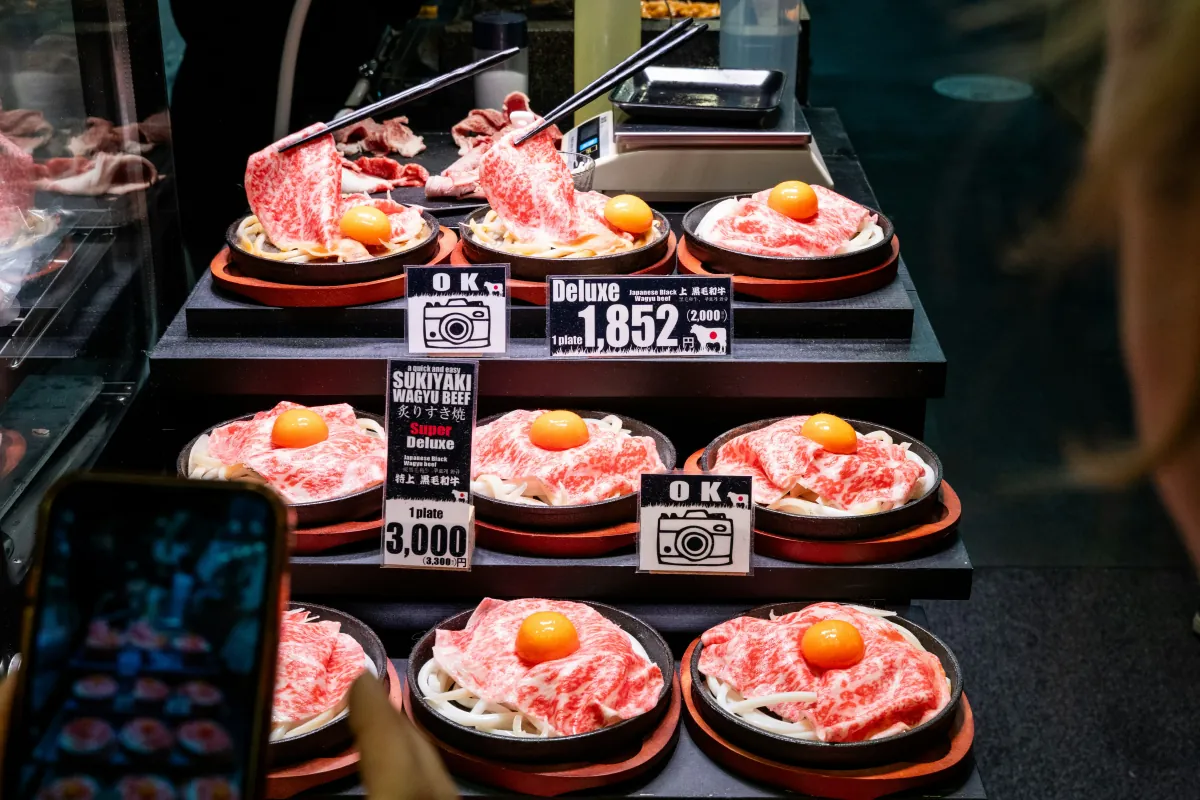
#9 Wagyu
Intensely marbled premium beef cooked Yakiniku (DIY grill) or Teppanyaki style.
Why try it: The high marbling fat literally melts at body temperature, creating a buttery texture.
#10 Convenience Store Food
Ready-to-eat egg sandwiches, crispy onigiri, and warm fried chicken.
Why try it: Unmatched convenience and surprisingly high quality at cheap prices.
Tokyo Food Experiences
Make your food trip interactive by booking top-rated classes, markets, and tastings.
Sushi Making
Learn to shape nigiri from a local master chef.
Food Tours
Guided food crawl through Tokyo's historic alleys.
Tsukiji Tours
Explore outer fish market tasting spots with a guide.
Tea Ceremonies
Drink whisked matcha in tranquil, traditional tatami rooms.
Sake Tastings
Sample and learn to differentiate regional rice wines.
Wagyu Dinners
Pre-booked premium beef course dinners.
Popular Food Experiences in Tokyo
Top-rated food tours, tastings, & culinary experiences in Tokyo — book directly with confidence
Tokyo Food Map: Key Districts
Where to find specific styles of food across Tokyo's diverse culinary neighborhoods.
Tokyo Food By Neighborhood
A detailed guide to eating your way through Tokyo's iconic districts.
Shinjuku
Shinjuku is Tokyo's capital of ramen shops, izakayas, and late-night dining. Omoide Yokocho and Kabukicho are packed with tiny restaurants serving yakitori, grilled seafood, and sake until the early morning hours. Beyond the atmospheric alleyways, Shinjuku is a battlefield for ramen vendors, boasting some of the best tsukemen and spicy ramen stalls in the country. The basement of Shinjuku's major department stores, like Isetan, offer high-end bento boxes, pastries, and deli items that are perfect for takeaway picnics.
Shibuya
Shibuya represents the modern, fast-paced food scene of Tokyo. Known for its trendy cafes, multi-level department store dining halls, and standing bars, this district is popular among younger crowds and international foodies. Here you can find excellent conveyor belt sushi, designer desserts, and international fusion foods. Deep in the basement of Shibuya Scramble Square or Shibuya Hikarie, gourmet food halls showcase beautifully crafted Japanese and French pastries, culinary bento items, and prepared meals.
Ginza
Ginza is the world capital of luxury dining. If you are seeking premium A5 wagyu beef, Michelin-starred French-Japanese fusion, or ultra-exclusive sushi omakase counters, Ginza is the destination. The culinary masters here operate out of sleek, quiet high-rise rooms where they serve seasonal ingredients curated to perfection. While dinner prices are exceptionally high, visiting during lunch is a smart budget hack, as many high-end Ginza establishments offer discounted lunch sets at a fraction of their evening rates.
Asakusa
Asakusa offers a nostalgic journey back to traditional Tokyo cuisine. Surrounding the historic Senso-ji Temple, the streets are lined with stalls selling sweet dango (skewered rice cakes), taiyaki (fish-shaped red bean waffles), and freshly baked senbei (rice crackers). Asakusa is also home to classic sit-down restaurants that specialize in tempura (lightly battered seafood and vegetables over rice) and traditional sukiyaki hotpots that have been operating since the late 1800s.
Ueno
Ueno is celebrated for its casual, open-air street food markets and lively day-drinking culture. Ameyoko Market is the heart of the district, featuring chaotic lanes filled with cheap seafood bowls, fresh cut fruits, and grilled skewers. Beneath the train tracks (koashita), you will find dozens of open-front izakayas where locals sit on beer crates to enjoy cheap yakitori and draft beer. It is one of the most down-to-earth and affordable dining zones in the capital.
Tsukiji
While the wholesale fish auctions relocated to Toyosu, the Tsukiji Outer Market remains a premier seafood paradise. Narrow walkways are packed with vendors selling fresh oysters, sea urchin, tamagoyaki (sweet rolled omelets), and grilled wagyu beef skewers. Walking and eating is a must-do experience here. Arrive early in the morning (around 8:00 AM) to beat the massive crowds and sample the freshest catches of the day.
Ebisu
Ebisu is a hidden favorite among local foodies who want high-quality dining without the hectic crowds of neighboring Shibuya. Known for Ebisu Yokocho, a covered alleyway packed with tiny stalls serving everything from beef tongue to skewers, the area is perfect for bar hopping. Ebisu is also famous for its stylish bistros, high-end yakitori restaurants, and the Yebisu Garden Place, which features top-tier European dining options and beer halls.
Best Sushi In Tokyo
From pocket-friendly standing bars to high-end Michelin omakase.
Budget Sushi
Standing sushi bars that serve fast, premium fresh fish cuts for pennies.
Conveyor Belt
Fun, digital screen ordering with plates arriving on mini-train tracks.
Mid-Range Sushi
Traditional counter seating with seasonal chef platters without breaking the bank.
Omakase
Trust the master chef to handcraft a custom multi-course sushi journey.
Luxury Sushi
World-class Michelin starred temples of sushi located primarily in Ginza.
Tokyo Ramen Guide
Dive into the rich broths, hand-pulled noodles, and toppings that make Tokyo the world capital of ramen.
Shoyu Ramen
Tokyo's signature clear broth made with chicken, soy sauce, and seafood.
Miso Ramen
Rich and heavy fermented bean paste broths imported from Hokkaido.
Tonkotsu Ramen
Thick, white, creamy broth extracted from boiling pork bone marrow.
Tsukemen
Tokyo's favorite dipping noodle style served with super thick broth.
Michelin Ramen
World-famous award-winning spots offering complex truffle and soy blends.
Late-Night Ramen
Perfect post-drinking street stalls open until early morning hours.
Tokyo Street Food Guide
Sweet and savory bites served hot from local market stalls and temple lanes.
Taiyaki
Fish-shaped waffle filled with red bean paste.
Melon Pan
Sweet bun with a crunchy cookie-dough crust.
Senbei
Savory, grilled, soy-glazed rice crackers.
Takoyaki
Dough balls containing pieces of octopus.
Dango
Sweet, skewered, chewy rice flour dumplings.
Croquettes
Fried breaded potato and meat cakes.
What To Eat In Tokyo By Budget
Discover how to eat incredibly well in Tokyo, from cheap street eats to high-end luxury feasts.
Under $10 (Budget Meals)
You do not need to spend a fortune to eat well in Tokyo. Some of the most satisfying local comfort meals are available at incredibly low prices:
- Ramen: Fast-casual shops serve steaming, rich bowls of Shoyu or Tonkotsu ramen for around $7–$9.
- Curry Rice: Thicker, sweet-and-savory Japanese curry plates at chains like CoCo Ichibanya cost $6–$8.
- Gyudon (Beef Bowls): Thinly sliced beef simmered with onions over rice at Yoshinoya, Matsuya, or Sukiya is a delicious quick meal for just $4–$6.
- Convenience Store (Konbini) Meals: Grab famous egg salad sandwiches, crispy onigiri, and hot fried chicken from 7-Eleven, Lawson, or FamilyMart for $3–$5.
$10–$30 (Mid-Range Casual)
This budget unlocks the vast majority of Tokyo's standard sit-down restaurants, perfect for lunches and relaxed dinners:
- Conveyor Belt Sushi (Kaitenzushi): Order fresh, seasonal sushi plates on digital screens at popular chains like Sushiro, Kura Sushi, or Uobei for $15–$25 per person.
- Izakaya Meals: Share multiple plates of yakitori skewers, sashimi, edamame, and draft beer at cozy local pubs for $20–$30.
- Tonkatsu: Crunchy, panko-breaded fried pork cutlet sets served with shredded cabbage, miso soup, and rice cost $12–$25.
$30–$100 (Premium Dining)
Ideal for experiencing high-quality wagyu beef or higher-grade fish selections:
- Wagyu Lunches: Skip the expensive dinner prices by booking wagyu yakiniku or teppanyaki set menus during lunch hours for $35–$60.
- Sushi Omakase (Mid-Tier): Sit at traditional wooden counters and enjoy 10–12 pieces of chef-selected fresh fish at local spots for $50–$90.
$100+ (Luxury Experiences)
For special occasions and once-in-a-lifetime culinary explorations:
- Ginza Sushi Omakase: Experience world-renowned sushi masterclass dining where every piece of fish is aged, sliced, and seasoned with absolute precision, starting at $150–$300+.
- Kaiseki: Traditional multi-course dining reflecting seasonal ingredients, beautifully plated on ceramic ware for $100–$250.
- Luxury Teppanyaki: Watch premium A5 Wagyu beef cooked directly in front of you on iron griddles for $120–$300.
Tokyo Food Tips For First-Time Visitors
Crucial dining customs and hacks to navigate Tokyo's restaurant landscape.
Carry Cash
While modern stores accept credit cards and IC cards, many historic neighborhood eateries, street food stalls in Tsukiji, and ramen shops only accept cash JPY. Keep coins and small bills on hand.
Learn Ticket Machines
Many casual shops (especially ramen and gyudon joints) require ordering via a ticket vending machine at the door. Insert cash first, press the buttons for your choices, retrieve your tickets/change, and hand the tickets to the kitchen staff.
Avoid Peak Lunch Hours
Local office workers flood restaurants between 12:00 PM and 1:00 PM. Expect long queues during this window. Dining slightly early (11:30 AM) or later (1:30 PM) ensures a much faster seating experience.
Book Premium Restaurants Early
High-end Ginza sushi counters, Michelin-starred ramen, and popular themed cafes require reservations weeks or months in advance. Utilize online booking platforms (like Tablecheck or AutoReserve) before your trip.
Don't Tip
There is zero tipping in Japan. Attempting to tip can cause confusion or distress, as staff will assume you forgot your change. A polite "Gochisousama deshita" (Thank you for the feast) is the best way to show gratitude.
Respect Queues
If a restaurant has a line, wait in the designated queue line. Never block neighboring doorways. All members of your party must be present to be seated; you cannot save spots in line for latecomers.
Tokyo Food Seasonal Calendar
Month-by-month breakdown of seasonal ingredients and traditional dishes to try.
| Month | Featured Foods | Description |
|---|---|---|
| January | Ozoni & Nabe | Traditional New Year soup containing mochi and piping-hot regional hotpot dishes to beat the winter chill. |
| February | Yakiimo & Hot Sake | Stone-roasted sweet potatoes sold by street vendors and warm sake in cozy neighborhood izakayas. |
| March | Sakura Sweets | Cherry blossom-flavored mochi, cherry leaf desserts, and fresh spring strawberries. |
| April | Takenoko (Bamboo) | Fresh, tender bamboo shoots simmered, grilled, or cooked into seasonal rice bowls. |
| May | Shincha (New Tea) | The first green tea harvest of the year, celebrated for its fresh, vibrant flavor. |
| June | Ayu (Sweetfish) | Grilled sweetfish skewered and cooked over hot charcoal coals at summer festivals. |
| July | Chilled Somen | Thin, refreshing wheat noodles served over ice cubes and dipped in light soy broth. |
| August | Kakigori & Eel | Shaved ice desserts with sweet syrups and grilled eel (unagi) to build stamina. |
| September | Sanma (Pacific Saury) | Autumn mackerel fish salt-grilled and served whole with grilled matsutake mushrooms. |
| October | Matsutake Mushrooms | Highly prized, fragrant wild pine mushrooms grilled or cooked in steaming rice. |
| November | Chestnuts & Persimmon | Roasted autumn chestnuts (kuri) and sweet, orange persimmons. |
| December | Oden & Sukiyaki | Simmered fish cakes, daikon, and hard-boiled eggs in dashi broth, and rich beef hotpots. |
Tokyo Food Itineraries
Pre-built daily paths designed specifically around eating.
1 Day Food Tour
Toyosu sushi breakfast, ramen lunch, and Shinjuku izakaya skewers.
Weekend Food Trip
Traditional Asakusa tempura, Shibuya cafes, and Tsukiji seafood snacks.
Sushi Lover
Comparing standing sushi bars, conveyor belts, and a high-end omakase.
Ramen Lover
From heavy Tonkotsu broth to delicate Michelin-starred Shoyu soup.
Luxury Food
Wagyu beef teppanyaki, high-end sake tastings, and premium Ginza sushi.
Tokyo Food Hub
Explore our comprehensive supporting guides dedicated to individual Tokyo specialties:
Free Tokyo Food Map
Download our interactive Google Map containing over 100 hand-picked sushi spots, hidden ramen shops, bustling markets, and authentic street food areas across Tokyo. Directly syncs to your phone for offline travel.
