
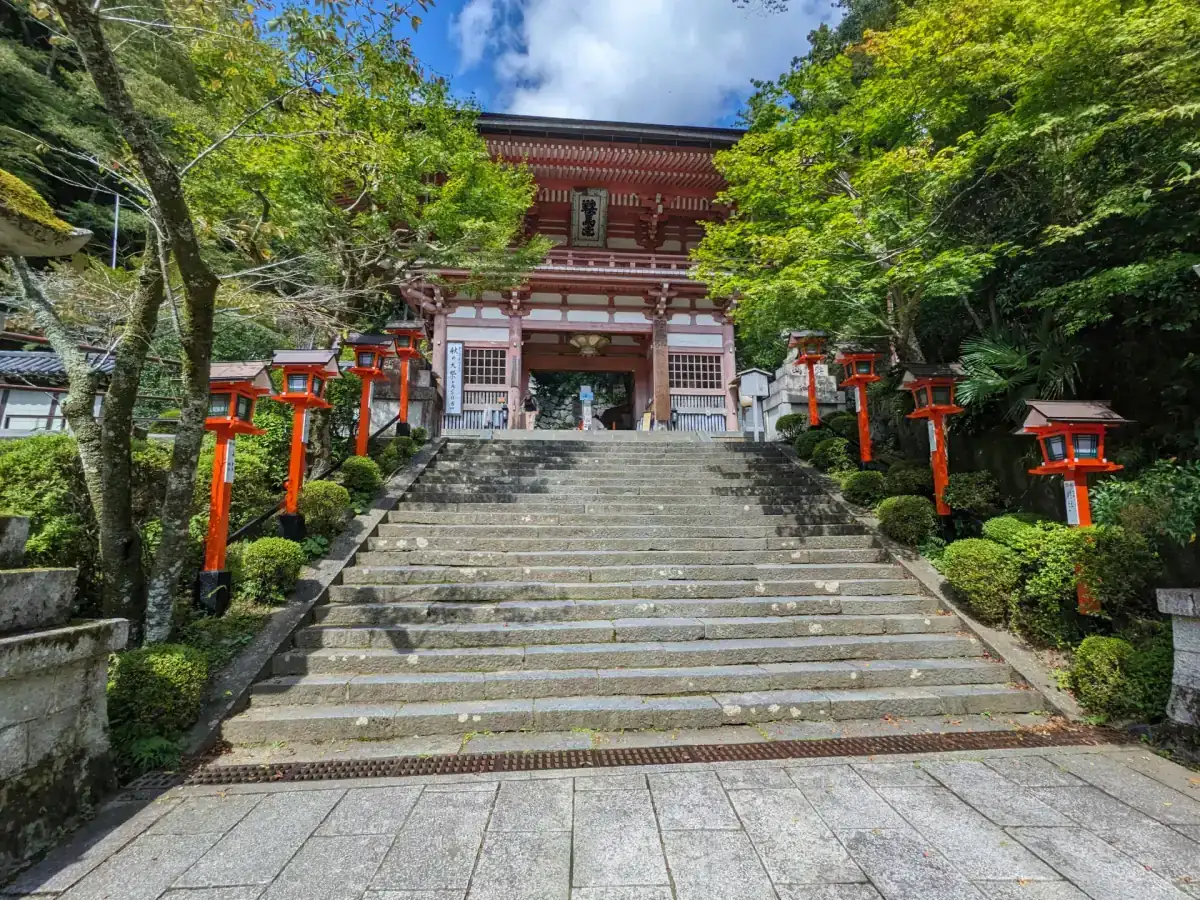
Planning a Kyoto Trip?
Build a fully customized daily plan, optimize your routes, and discover curated temple trails and local tea ceremonies.
Build My Kyoto ItineraryWhy Visit Kyoto?
Kyoto served as the imperial capital of Japan for over a thousand years, from 794 to 1869. Because it was largely spared from the air raids of World War II, it stands today as the ultimate living museum of traditional Japanese culture, architecture, and religious design. A comprehensive Kyoto travel guide is a journey through historic streets, moss-covered Zen gardens, vermilion shrines, and wooden teahouses where geisha culture remains active.
When you visit Kyoto, you will experience a slower, more contemplative side of Japan. The city houses over 1,600 Buddhist temples and 400 Shinto shrines, including 17 UNESCO World Heritage sites. From the golden arches of Kinkaku-ji to the towering bamboo fields of Arashiyama, Kyoto's landmarks are legendary. It is also the global capital of Japanese tea culture, centered in the nearby rolling hills of Uji, and the historic birthplace of Kaiseki multi-course fine dining.
Beyond its temples, Kyoto is beloved for its seasonal transformation. In spring, weeping cherry tree branches sweep over castle moats, while in autumn, fiery red maples contrast beautifully with dark wooden temple architecture. It is an essential stop on any Japan itinerary, especially for those seeking to understand the deep traditions, Zen philosophies, and craft heritages that define the Japanese soul.
Kyoto Location Map
Top Attractions in Kyoto
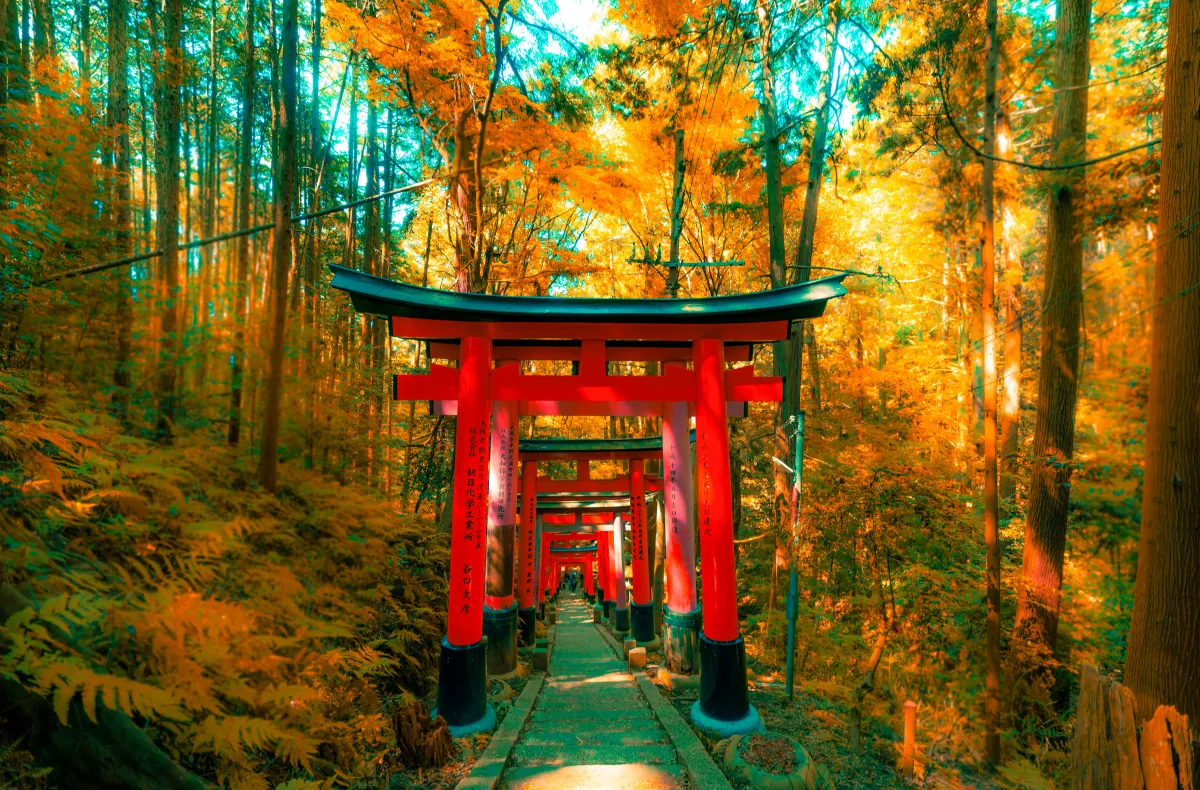 伏見稲荷大社
Fushimi Inari Taisha
The head shrine of the god Inari, famous for its winding path of over 10,000 vibrant vermilion torii gates stretching up Mount Inari.
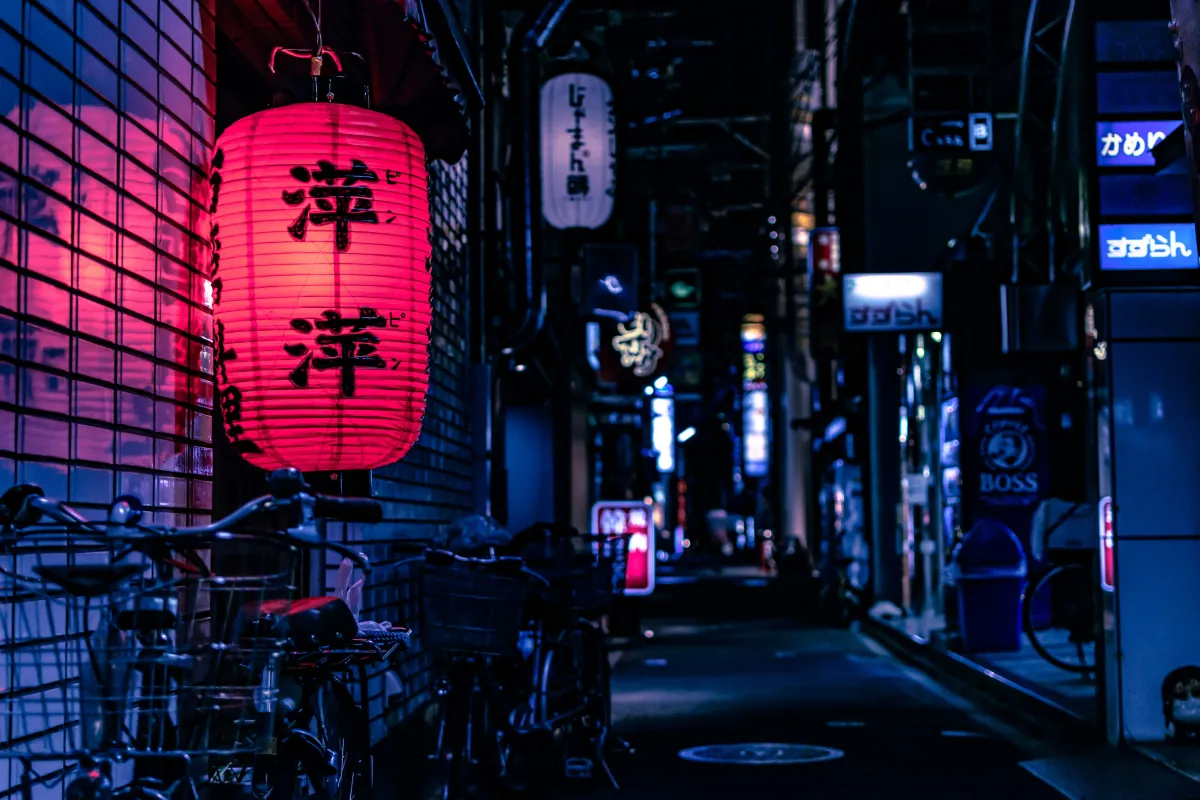 清水寺
清水寺Kiyomizu-dera
An ancient Buddhist temple renowned for its massive wooden stage built without a single nail, offering views over Kyoto.
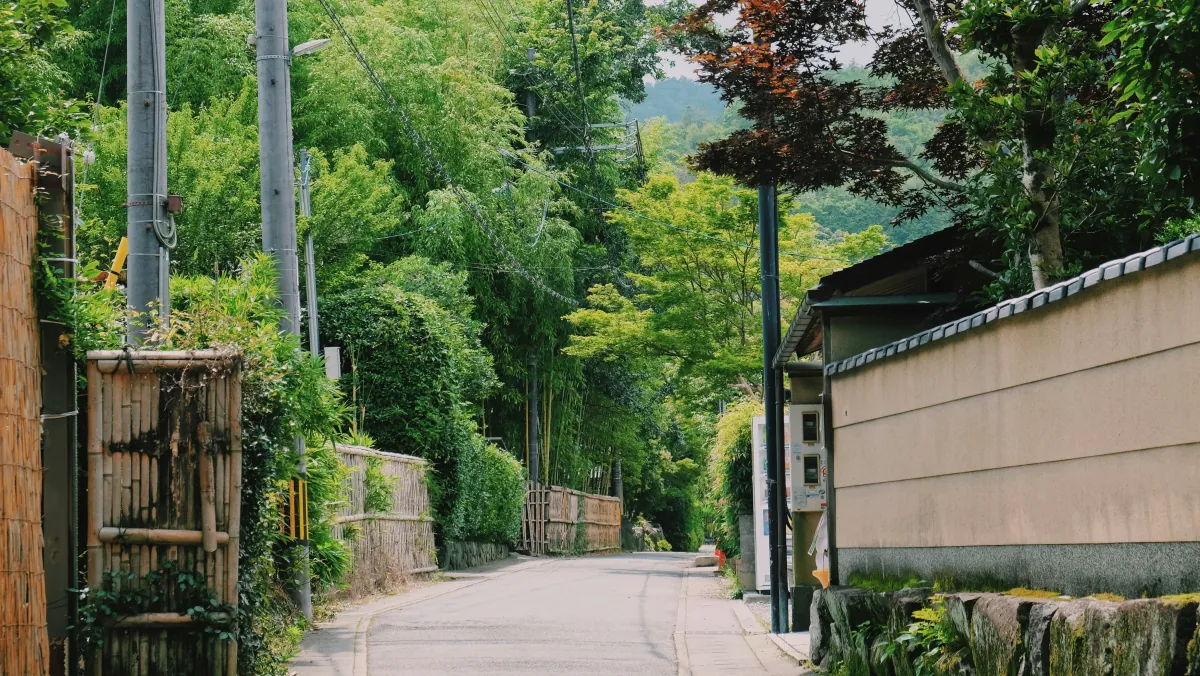 嵐山竹林
嵐山竹林Arashiyama Bamboo Grove
A globally photographed natural path winding through towering stalks of green bamboo that sway and whisper in the wind.
 金閣寺
金閣寺Kinkaku-ji (Golden Pavilion)
A breathtaking Zen temple whose top two floors are completely covered in brilliant gold leaf, reflecting over a tranquil pond.
銀閣寺Ginkaku-ji (Silver Pavilion)
A refined Zen temple known for its immaculate dry sand gardens, moss walking paths, and quiet, rustic pavilion design.
 二条城
二条城Nijō Castle
The historic residence of the Tokugawa Shogun, famous for its beautiful gardens and 'nightingale floors' that chirp like birds when walked on.
Kyoto District Guide
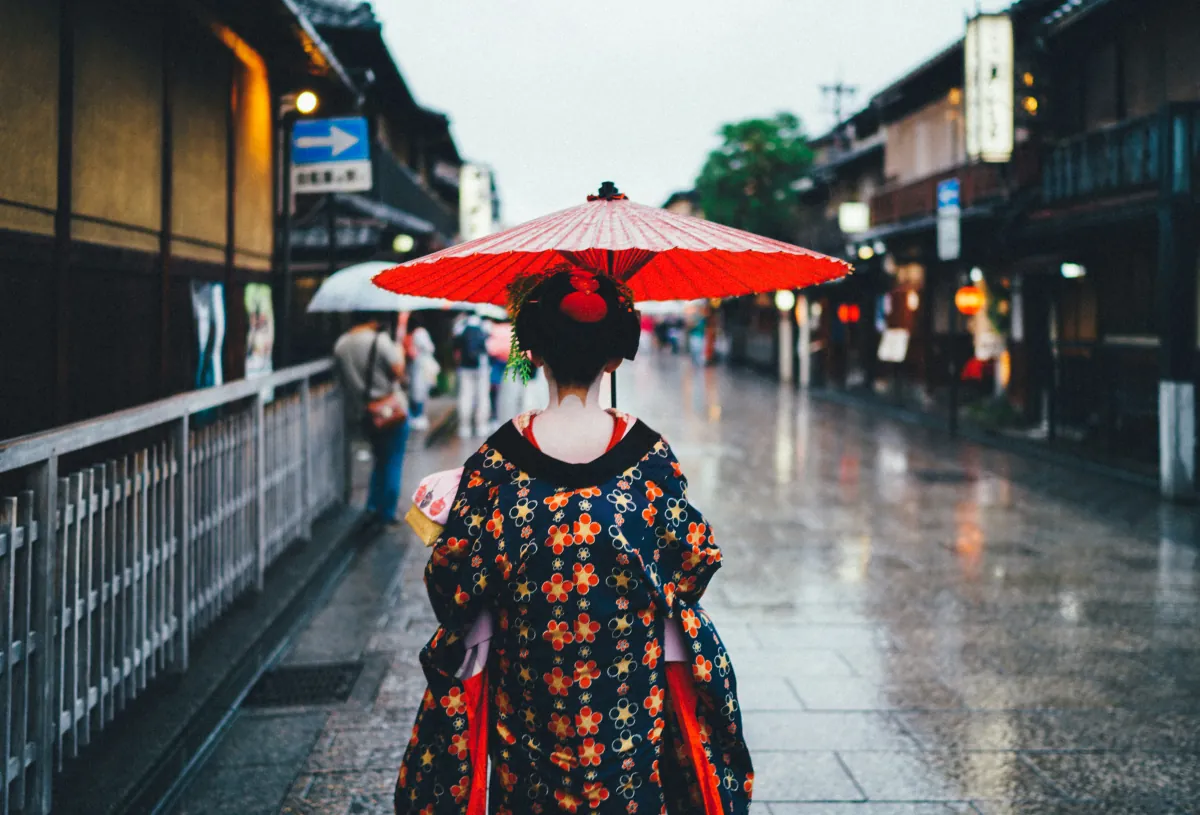
Kyoto's historic entertainment area, lined with traditional wooden machiya townhouses, exclusive teahouses, and geiko paths.
A beautifully preserved historic district, filled with paved streets, wooden shops, incense aromas, and ancient temple gates.
Nestled against the western mountains, featuring bamboo groves, the Togetsukyo Bridge, river boating, and wild monkey parks.
The modern commercial heart of Kyoto, containing retail complexes, Nishiki Food Market, and narrow dining alleys of Pontocho.
A peaceful residential area containing Kyoto's finest Zen rock gardens, including Kinkaku-ji and Ryoan-ji.
Kyoto's southern sake brewing district, filled with traditional wooden breweries, canal boats, and Fushimi Inari Shrine.
Temple & Shrine Guide
Complete Kyoto Temple GuideMust-Visit Temples
Kiyomizu-dera, Kinkaku-ji, and Fushimi Inari Shrine.
Hidden Temples
Gio-ji Moss Temple, Honen-in, and Tofuku-ji subtemples.
Zen Rock Gardens
Ryoan-ji's famous 15 rocks, Daitoku-ji, and Nanzen-ji.
Famous Shrines
Yasaka Shrine in Gion, Heian Jingu, and Shimogamo Shrine.
Night Illuminations
Seasonal evening lightings at Kiyomizu-dera and Kodai-ji.
Kyoto Food Guide
Complete Kyoto Food GuideKaiseki Ryori
Traditional multi-course seasonal dining highlighting balance and aesthetic presentation.
🍲Yudofu
Simmered tofu cooked in kelp broth, a specialty of Kyoto's Buddhist temples.
🍵Matcha Sweets
Premium Uji matcha ice creams, traditional parfaits, and powdered cakes.
🥗Shojin Ryori
Buddhist vegetarian cuisine focusing on soybean products and mountain herbs.
🍜Kyoto Ramen
Rich Shoyu (soy sauce) and chicken broths topped with green Kujo negi scallions.
🍢Nishiki Market Eats
Grilled skewers, baby octopus, soy milk donuts, and local pickles.
Kyoto Itineraries
Kyoto Highlights Express
Covers Fushimi Inari, Kiyomizu-dera, and Kinkaku-ji in one day.
East & West Split Trail
Dedicate Day 1 to historic Higashiyama and Day 2 to Arashiyama bamboo forests.
Complete Cultural Route
Covers top temples, Gion evening tours, tea ceremonies, and local markets.
Kyoto & Kansai Discovery
Deep dive into Kyoto's hidden temples and take a day trip to historic Nara.
Best Time to Visit Kyoto
Spring (Sakura)
Late March – AprilAncient wooden temples are framed by weeping cherry trees. The Philosopher's Path and Maruyama Park turn into magical pink tunnels.
Cultural Experiences
Traditional Tea Ceremony
Learn the Zen-infused art of preparing and drinking powdered Matcha tea from a tea master.
Kimono Experience
Rent a traditional Kimono or Yukata and stroll through the paved, historic streets of Higashiyama.
Zen Meditation
Join early morning Zazen meditation sessions led by Buddhist monks in quiet sub-temples.
Traditional Crafts
Try your hand at Kyoto-style pottery (Kiyomizu-yaki), woodblock printing, or yuzen silk dyeing.
Geisha Performance
Attend seasonal dances or book private traditional dinners featuring geiko and maiko arts.
Temple Stay (Shukubo)
Sleep in historic temple lodgings, enjoy Shojin Ryori vegetarian dining, and attend morning prayers.
Where to Stay in Kyoto: Best Areas
Downtown Kyoto
Best for First Timers & ShoppingClose to transit, shopping, Nishiki Market, and dining hubs like Pontocho.
Gion / Higashiyama
Best for Traditional Vibes & RyokansPreserved historic streets, traditional wooden machiya townhouses, and ryokan inns.
Kyoto Station Area
Best for Transit & BudgetExcellent connectivity via Shinkansen, local trains, buses, and cheaper hotels.
Higashiyama Hills
Best for Luxury TravelersTop-tier international resorts, historic ryokans, and quiet bamboo pathways.
Central Kyoto
Best for FamiliesSpacious apartment-style hotels, parks, and direct subway access.
Day Trips from Kyoto
Nara Park
Bowing deer, Todai-ji's Great Buddha, and historic parklands. 45 mins via JR Line.
Uji Town
The capital of Japanese matcha green tea and home to the historic Byodoin Phoenix Temple.
Osaka Kitchen
Vibrant neon street food, Dotonbori canals, and retro districts. 30 mins via rapid train.
Amanohashidate
Located in northern Kyoto prefecture. One of Japan's three most scenic pine-clad sandbar views.
Lake Biwa
Japan's largest freshwater lake, offering scenic shrine torii gates in the water and beaches.
Kurama & Kibune
A peaceful mountain-to-mountain temple hiking trail through cedar forests and river dining spots.
Kyoto Travel Costs
| Traveler Type | Daily Budget | Stays & Dining Profile |
|---|---|---|
| Budget Traveler | $45 – $75 / Day | Capsules/Hostels near station, Bento market boxes, local bus passes. |
| Mid-Range Traveler | $110 – $200 / Day | Business style or boutique hotel, yudofu dinners, temple admission packs. |
| Luxury Traveler | $320+ / Day | High-end ryokan in Higashiyama, private tea ceremonies, kaiseki feasts. |
Frequently Asked Questions
How many days should I spend in Kyoto?
We highly recommend spending 3 to 5 days in Kyoto. This provides sufficient time to explore the major eastern temple clusters, take walks in Arashiyama, explore Gion at dusk, and take a quick day trip to historic Nara.
When is the best time to visit Kyoto?
The absolute best times are November (peak autumn maple colors) and April (cherry blossom blooms). Winter (January/February) is also great for quiet Zen atmospheres and potential snowscapes.
Is Kyoto better than Tokyo?
Neither is better; they are completely different. Tokyo represents modern neon energy, shopping hubs, and skyscrapers. Kyoto represents ancient Japan, Zen gardens, traditional geisha neighborhoods, and temple culture.
Can I visit Kyoto as a day trip from Osaka?
Yes, Osaka is only 30 minutes away by train. However, because Kyoto's temple layouts are spread out across Higashiyama, Arashiyama, and the north, staying in Kyoto is recommended to avoid rushing.
What area should I stay in Kyoto?
Downtown Kyoto is best for central shopping, food, and subway lines. Gion and Higashiyama are best for historic ryokan stays. Kyoto Station is best for shinkansen bullet trains and bus connections.
Is Kyoto expensive?
Kyoto can be tailored to any budget. Local buses offer cheap day passes, noodle shops are highly affordable, and temple entrance fees are typically $3 to $5 (300-500 yen).
Create Your Perfect Japan Itinerary
Customized daily plans, optimized routes, and curated local food recommendations tailored to your travel style.