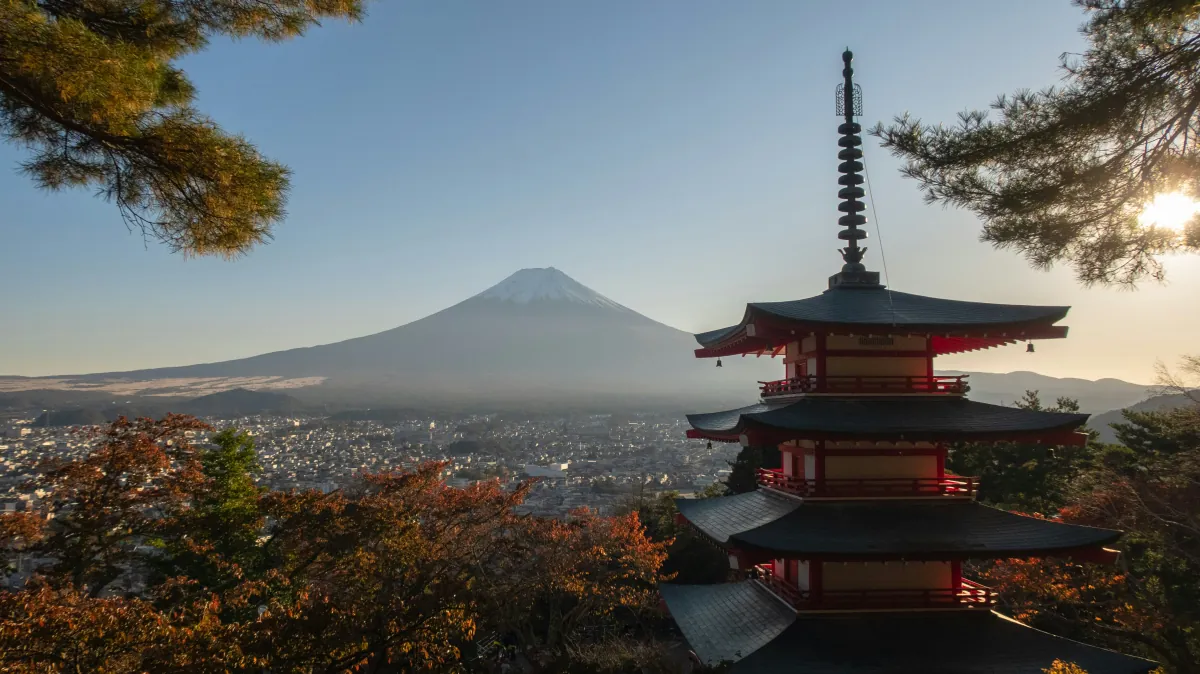
Tokyo Travel Tips for First-Timers: 20 Things You Must Know Before Visiting (2026)
Navigating Tokyo for the first time is incredibly exciting, but its massive scale and unique local customs can feel overwhelming. Master transportation, money, and local etiquette with these 20 essential rules.

JPN Path
Editorial TeamNavigating Tokyo for the first time is incredibly exciting, but its massive scale and unique cultural norms can feel overwhelming. To make your trip smooth and stress-free, focus on masterfully handling transportation, money, and local etiquette. This curated checklist covers everything you need to know to transition from an anxious tourist to a confident local explorer.
To help you prepare, here is a quick comparison table of the most critical pre-trip setup and on-the-ground rules:
| Tip Category | Key Action Item | Timing | Strategic Value |
|---|---|---|---|
| Navigation | Load digital Suica/Pasmo to Wallet | Before Departure | Avoid lines and tap gates instantly |
| Money | Withdraw cash at 7-Eleven ATMs | On Arrival | Best exchange rates with foreign cards |
| Luggage | Ship bags using Yamato Transport | Airport/Hotel | Skip dragging giant suitcases on trains |
| Culture | Keep a plastic bag for your trash | Daily | No public trash cans on Tokyo streets |
| Smart Prep | Complete Visit Japan Web forms | Before Flight | Breeze through immigration QR lanes |
The absolute easiest option is to add a digital Suica or Pasmo card directly to your smartphone's Apple or Google Wallet before you land. Alternatively, physical cards have returned to stable supply in 2026; you can buy a physical card at JR East Travel Service Centers, pick up a 'Welcome Suica' at the airport, or opt for the Tourist Pasmo card. Use these to tap onto all trains, subways, buses, and even to pay at vending machines.
Rely Heavily on Google Maps
The app is exceptionally accurate for Tokyo transit, showing you exactly which train car to board, the platform numbers, and the correct exit door to use at massive hubs.
Avoid Morning Rush Hour
Skip the trains between 7:30 AM and 9:00 AM unless you want to experience being packed like sardines into commuter trains.
Forward Your Heavy Luggage
Do not drag giant bags through busy subway stations. Use a luggage delivery service (like Yamato Transport, known as the 'Black Cat') to ship your suitcases directly from the airport to your hotel for a very reasonable fee (typically around 2,000 to 3,000 yen per bag in 2026).
💴 Money & Shopping
Cash is Still King
Despite a massive post-pandemic shift toward cashless payments, many small ramen shops, temple ticket booths, and festival stalls only accept cash. Additionally, physical transit IC cards can only be topped up with cash at station machines.
Carry a Dedicated Coin Purse
Japan uses 1, 5, 10, 50, 100, and 500-yen coins regularly. You will accumulate a large amount of loose change quickly, so having a coin pouch will save you from fumbling at registers.
Withdraw Cash at 7-Eleven
If you need to withdraw Yen, the ATMs inside 7-Eleven (7-Bank) convenience stores are universally reliable, offer great exchange rates, and accept most foreign debit cards.
Keep Your Passport on You for Tax-Free Shopping
Many department stores and mega-retailers like Don Quijote offer an immediate consumption tax refund (10%) to tourists. You must present your physical passport at the register to claim it.
🍱 Food & Dining
Embrace Convenience Stores (Konbini)
Japanese convenience stores like 7-Eleven, Lawson, and FamilyMart serve incredibly high-quality food. Their egg salad sandwiches, onigiri (rice balls), bento boxes, and fried chicken are cheap, fresh, and delicious.
Look Up and Down for Restaurants
Tokyo maximizes space vertically. Many of the city's best restaurants and hidden bars are located on the 3rd, 5th, or even basement floors of nondescript buildings. Always check building directory signs at street level.
Solo Dining is Standard
Don't feel self-conscious about eating alone. Many ramen and sushi spots feature individual counter seating designed exactly for solo patrons.
Book Bucket-List Meals Ahead
Popular or themed restaurants require weeks or months of advance planning. Use platforms like TableCheck or Tabelog to lock down reservations before you leave home.
🗺️ Etiquette & Local Culture
Do Not Tip
Tipping is not a part of Japanese culture and can be viewed as confusing or insulting. Exceptional service is already included in your bill.
Keep Your Trash with You
There are virtually no public garbage cans on Tokyo streets. Carry a small plastic bag in your daypack to hold your trash until you return to your hotel room, or look for recycling bins strictly next to vending machines (intended only for bottles and cans).
Do Not Eat While Walking
Walking while consuming food or drinks is considered bad manners (aruki-gui). Consume your snacks right outside the convenience store where you bought them or while seated at a park.
Stay Quiet on Public Transit
Set your phone to silent mode ('manner mode') on trains. Avoid taking phone calls or speaking loudly with your travel companions.
Stand on the Left Side of Escalators
In Tokyo, commuters stand on the left side of the escalator and leave the right side open for people walking up or down.
🧳 Smart Preparation
Complete 'Visit Japan Web' in Advance
Before boarding your flight, fill out your mandatory immigration and customs forms on the official Visit Japan Web portal. It generates a QR code that lets you breeze through airport arrivals.
Buy an eSIM
Don't rely on spotty public Wi-Fi. Pre-ordering a digital data eSIM gives you instant, high-speed internet access the moment you land.
Wear Slip-On Shoes with Nice Socks
You will step out of your shoes frequently when entering temples, traditional restaurants, fitting rooms, and certain historic buildings. Choose comfortable walking shoes that easily slip off, and make sure your socks are clean and free of holes.
Create Your Perfect Japan Itinerary
Customized daily plans, optimized routes, and curated local food recommendations tailored to your travel style.
Start Planning Now ➔About JPN Path
Editorial TeamThe JPN Path Editorial Team consists of local travel curators, cultural historians, and writers dedicated to sharing authentic, practical, and highly detailed guides for exploring Japan.
Continue Reading
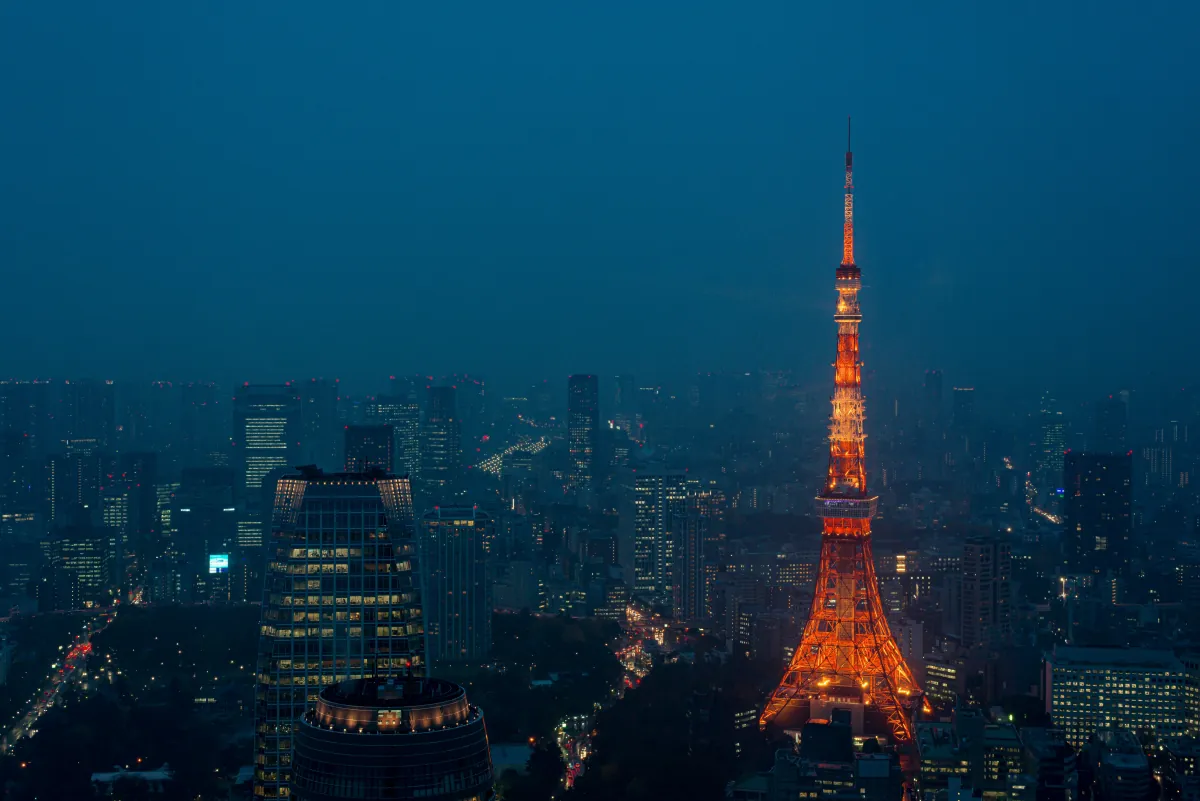
Tokyo Bucket List: 17 Incredible Things to Do in Tokyo
The experiences most travelers wish they knew before visiting. From hidden food alleys and ancient temples to futuristic digital art and secret skyline views, here is the ultimate Tokyo checklist.
Osaka Bucket List: 21 Experiences Worth Your Time
Known as the Nation's Kitchen, Osaka is a sprawling, neon-drenched metropolis pulsing with food culture, striking contrasts, and historic landmarks. Here are 21 essential, bucket-list experiences.