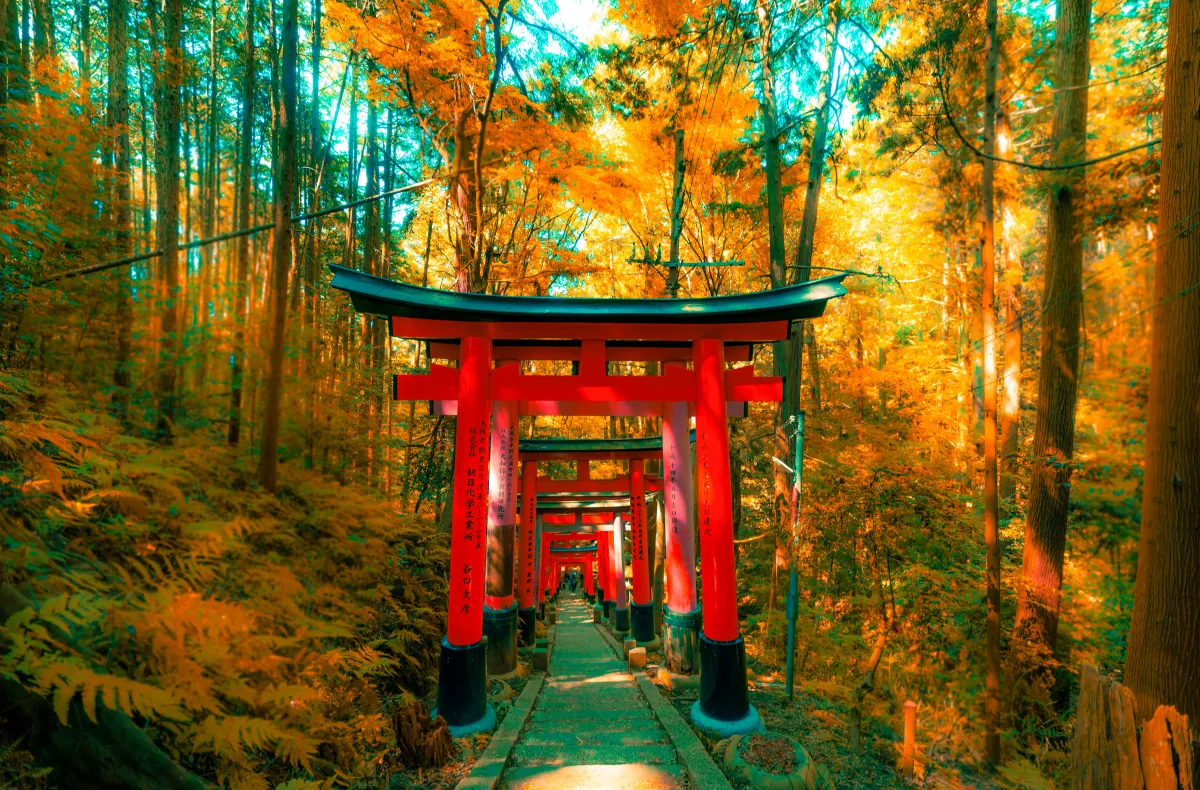
Discover the ultimate Kyoto travel guide. Skip the crowds, find hidden bamboo paths, and explore ancient temples with our visual 4-day itinerary.

JPN Path
Editorial TeamKyoto is the cultural and historical heart of Japan, offering a stark contrast to the neon-lit skyscrapers of Tokyo. As Japan's former imperial capital, it houses 17 UNESCO World Heritage sites, thousands of classical Buddhist temples, serene Shinto shrines, and beautifully preserved wooden machiya houses. For first-time visitors, a stay of 3 to 5 days provides the perfect balance to explore its iconic sights and distinct historic neighborhoods.
To help you choose, here is a quick comparison table of Kyoto's top sights, followed by our visual 4-day itinerary and essential tips.
| Attraction | Key Focus | Best Time | Skip-the-Crowds Tip |
|---|---|---|---|
| Fushimi Inari-taisha | Thousands of Torii Gates | Sunrise (6:00 AM) | Hike past the first intersection |
| Kiyomizu-dera | Historic Wooden Temple | Early Morning (8:00 AM) | Walk through Sannenzaka roads |
| Kinkaku-ji | Golden Zen Pavilion | Mid-Morning (9:00 AM) | Visit right at opening |
| Pontocho Alley | Geisha Districts & Dining | Evening (6:00 PM) | Wander narrow paths at lanterns |
| Arashiyama Bamboo | Serene Green Forest | Dawn (7:00 AM) | Walk past the main viewing zone |
🗺️ Thematic Itinerary Planner
To minimize travel time, group your exploration by geographical districts rather than bouncing across the city:
Day 1: Eastern (Higashiyama):
Highlights: Kiyomizu-dera, Yasaka Shrine, Sannenzaka streets.
Atmosphere & Vibe: Steeped in traditional wooden architecture and historic charm.
Day 2: Western (Arashiyama):
Highlights: Bamboo Grove, Tenryu-ji Temple, Togetsukyo Bridge.
Atmosphere & Vibe: Serene river valleys and lush mountain backdrops.
Day 3: Central & Northern:
Highlights: Kinkaku-ji, Nijo Castle, Nishiki Market.
Atmosphere & Vibe: A mix of powerful shogun history and lively local street food.
Day 4: Southern & Beyond:
Highlights: Fushimi Inari, day trip to Nara (Todai-ji temple).
Atmosphere & Vibe: Spiritual mountain paths and friendly, free-roaming deer.
⛩️ Top Sights & Attractions
Fushimi Inari-taisha
Hike past thousands of vibrant orange-red torii gates winding up the mountain. Hike further up the trail to escape the dense lower crowds.
Kiyomizu-dera Temple
A magnificent wooden temple built entirely without nails, offering stunning panoramic views of the city from its massive hillside terrace.
Kinkaku-ji (The Golden Pavilion)
A spectacular Zen Buddhist temple whose top two floors are completely covered in brilliant gold leaf, overlooking a pristine mirroring pond.
Pontocho Alley
Explore Kyoto's legendary geisha districts. Wander the narrow paths in the evening to view traditional tea houses and lanterns.
🍱 Food & Local Delicacies
Nishiki Market: Known as 'Kyoto's Kitchen', this long, covered shopping street features lively stalls selling fresh seafood, skewers, pickled vegetables, and local sweet snacks.
Matcha in Uji: Take a short train ride south to Uji, the birthplace of Japanese green tea, for authentic matcha tea ceremonies, parfaits, and traditional green tea noodles.
Kaiseki Dining: Indulge in a multi-course, seasonal Japanese haute cuisine meal that treats food preparation and artistic plating as a high art form.
🧳 Essential Expert Travel Tips
Beat the Crowds: Kyoto is heavily visited. Arrive at Fushimi Inari or Arashiyama by 6:30 AM – 7:30 AM to experience them in peaceful silence before tour buses arrive.
Transportation: Kyoto relies heavily on public buses and its subway lines. Purchase a digital IC Card (like Suica or Pasmo) on your phone or buy a 'one-day subway/bus ticket' for easy boarding.
Shoe Etiquette: You will remove your shoes frequently when entering traditional temples, ryokans, and restaurants. Wear comfortable, slip-on shoes and clean socks.
Best Seasons: Spring (late March to April) brings cherry blossoms, while autumn (November) offers vivid red maples. Both seasons require hotel bookings months in advance. Winter is the quietest off-season.
Create Your Perfect Japan Itinerary
Customized daily plans, optimized routes, and curated local food recommendations tailored to your travel style.
Start Planning Now ➔About JPN Path
Editorial TeamThe JPN Path Editorial Team consists of local travel curators, cultural historians, and writers dedicated to sharing authentic, practical, and highly detailed guides for exploring Japan.
Continue Reading
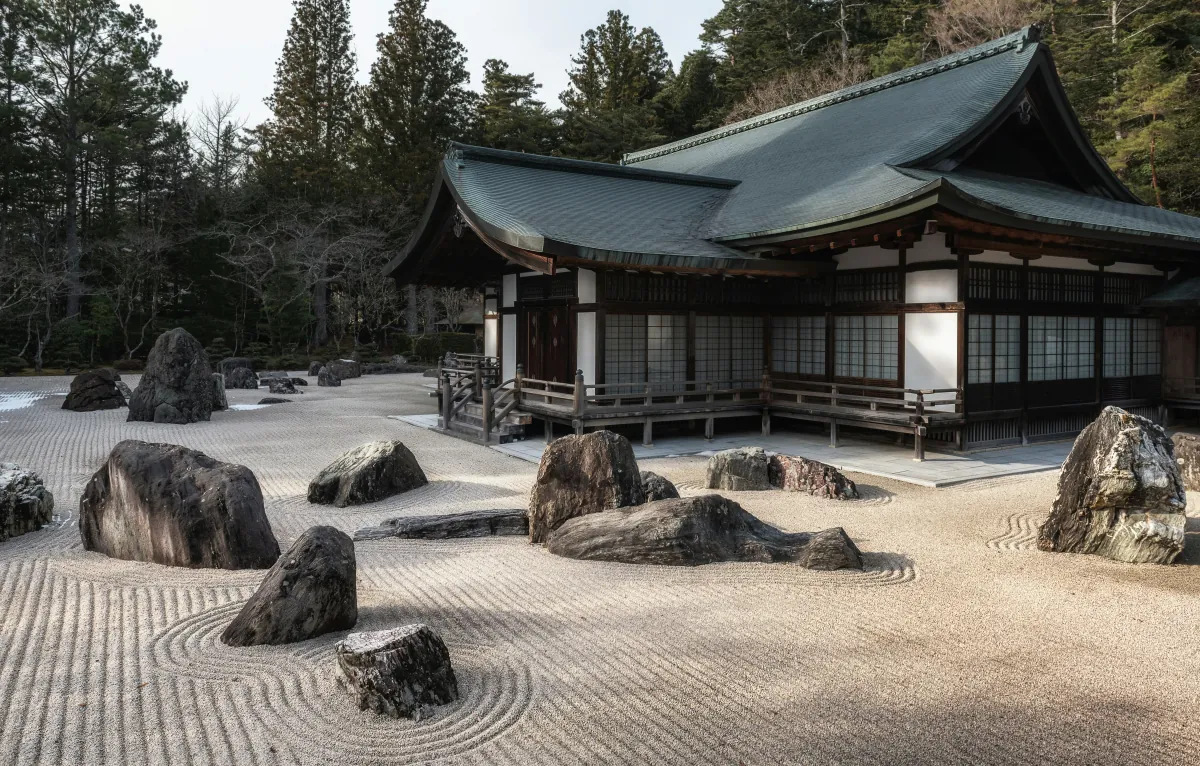
Kyoto Bucket List: 25 Amazing Things to Do (2026)
Ancient temples. Hidden bamboo paths. Matcha tea houses. Kyoto isn't just a city—it's an experience you'll remember long after your trip.
Osaka Bucket List: 21 Experiences Worth Your Time
Known as the Nation's Kitchen, Osaka is a sprawling, neon-drenched metropolis pulsing with food culture, striking contrasts, and historic landmarks. Here are 21 essential, bucket-list experiences.